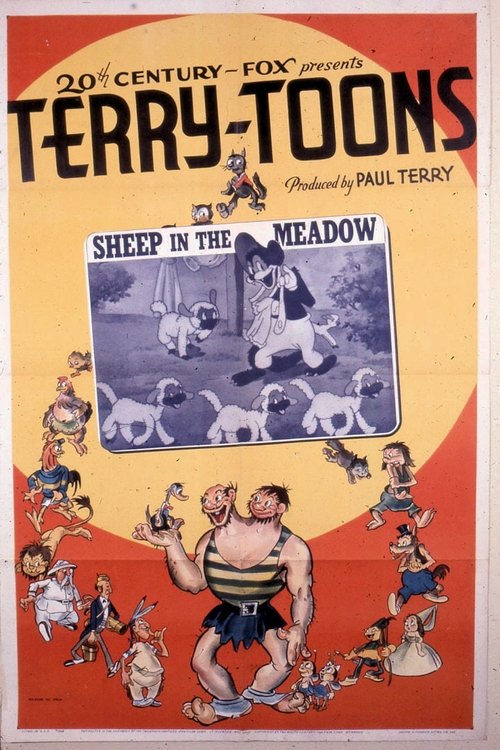
Sheep in the Meadow
1939
No user ratings available yet
Representation score: 0.4 out of 10
Representation Score
Minimal
1947
PassedDirector
Izzy Sparber
Runtime
7 minutes
Average Rating
No ratings yetNew Showbiz Analysis
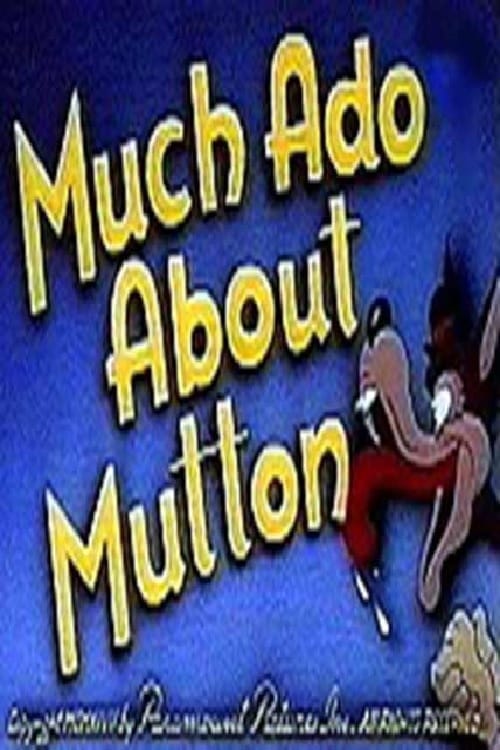
Much Ado About Mutton is a traditional mid-century animated short that adheres to the storytelling conventions of its time. The film relies heavily on archetypal conflicts, such as the predator versus the protector, providing a straightforward moral framework but lacking depth. The narrative structure prioritizes conventional morality and physical retribution, following the standard industry formulas of the late 1940s. Ultimately, the production reflects the social constraints and storytelling norms of the era, focusing on a simple battle of wits and strength rather than diverse or subversive perspectives.
Category Breakdown
The film does not include any characters with non-traditional gender identities. Character dynamics revolve around a typical predator and protector setup.
The story emphasizes physical strength and aggression, following traditional gender roles without challenging these hierarchies.
While the character Blackie is mentioned, there is no specific information about ethnic identity. The casting seems to adhere to the homogenous standards of the time.
The story employs a classic fable format centered on hunger and deception, reinforcing traditional notions of justice through physical dominance.
There are no characters with visible or invisible disabilities featured in the narrative.
Present on Screen
Limited or Absent
Official Synopsis
Wolfie is hungry and has an appetite for lamb-chops, so he snatches Blackie's nephews. Blackie beats the wolf and rescues them. This setback doesn't deter him as he disguises himself as Little Boy Blue and makes another attempt at a lamb-dinner.
1939
1963
1953
1955
1951
1937
1944
1962
No reviews yet. Be the first to share your thoughts on this movie!
Use the rating form above to leave a star rating and optional review.