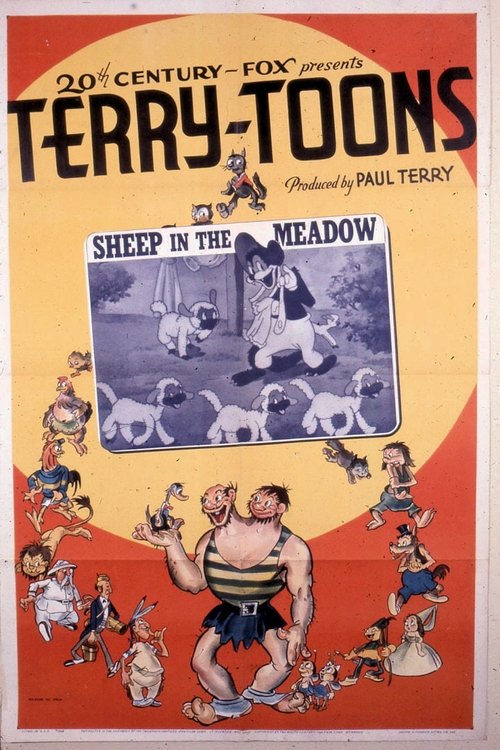
Sheep in the Meadow
1939
No user ratings available yet
Representation score: 0.4 out of 10
Representation Score
Minimal
1950
ApprovedDirector
Connie Rasinski
Runtime
7 minutes
Average Rating
No ratings yetNew Showbiz Analysis
This animated fable relies on a standard binary conflict between a protector and a predator. The narrative structure centers around a clear-cut conflict between the Dingbat and the Wily Fox, following traditional moralistic animation conventions. Since the characters are anthropomorphic animals, the film avoids human social markers such as race, ethnicity, or gender hierarchies. The story operates as a simple battle of wits without exploring complex identity issues. Overall, the film lacks the depth needed to explore multi-layered identities. It remains a straightforward tale of predator and protector without challenging conventional social norms.
Category Breakdown
The film focuses on a classic conflict between a protector and a predator. There are no depictions of non-straight or non-gender-conforming identities or same-sex relationships.
Characters are defined by species rather than human gender roles. The roles are driven by instinctual behaviors rather than social gender dynamics.
Since the film features anthropomorphic animals, there are no human racial or ethnic markers. Species are not used as metaphors for diverse human identities.
The story follows a traditional moral framework focused on protecting property and containing threats. It aligns with conventional ideas of justice and order.
There is no evidence of characters having visible or invisible disabilities. Neurodivergence or physical impairments are not part of the character arcs.
Present on Screen
Limited or Absent
Official Synopsis
The Dingbat, guarding the sheep flock, has to resort to many daffy antics and tricks in order to keep Wily Fox from adding a little lamb to his dinner menu. The battle goes in favor of both for a while, until the Dingbat manages to cage the fox.
1939
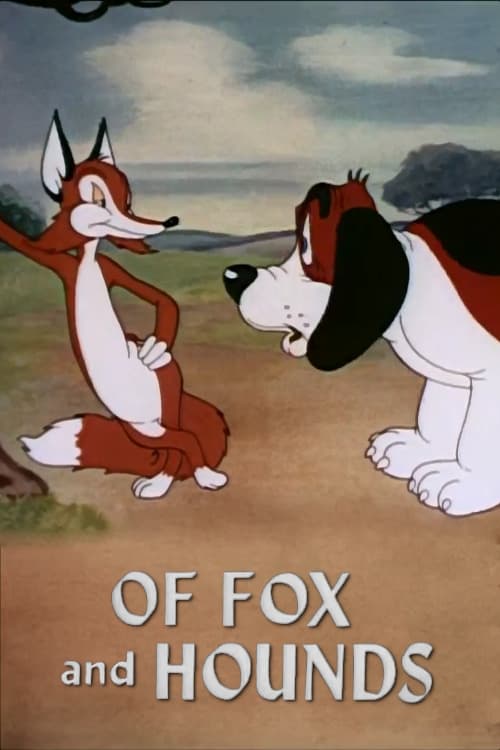
1940
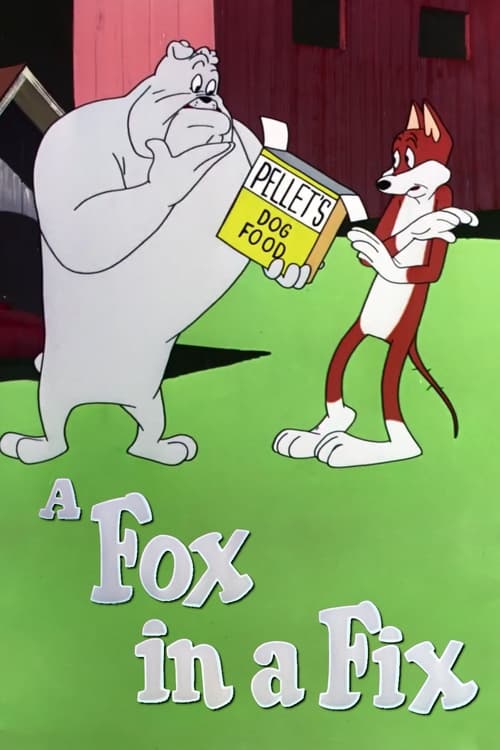
1951
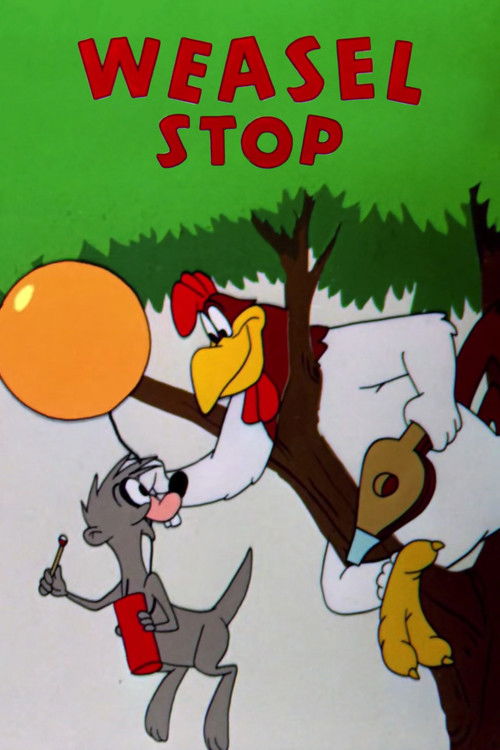
1956
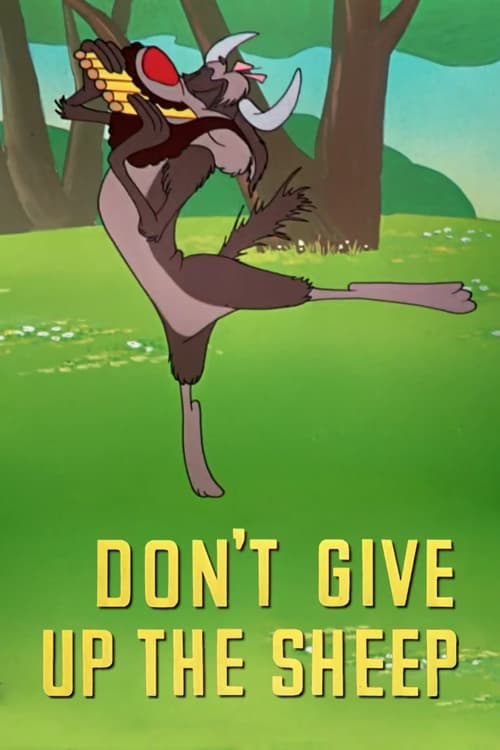
1953
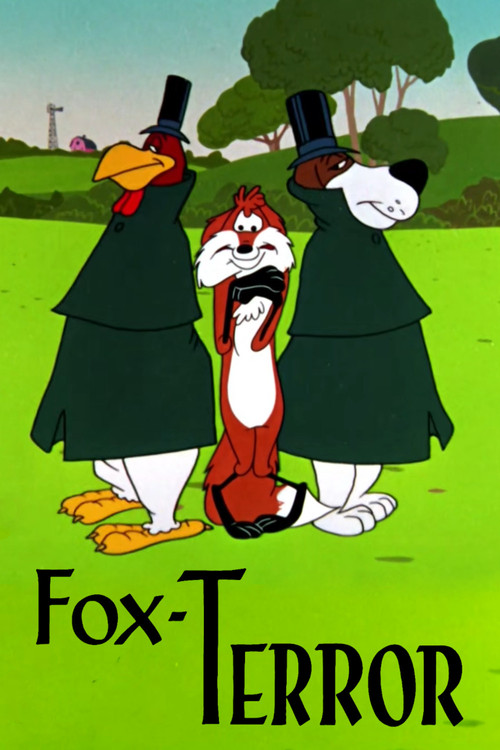
1957
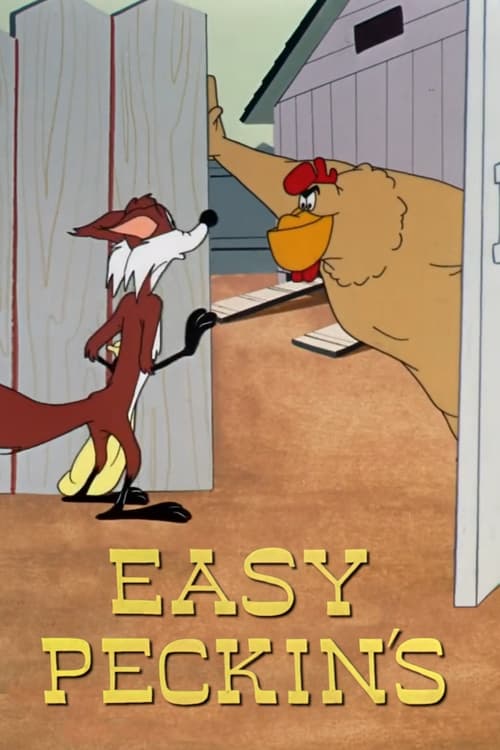
1953
1939
No reviews yet. Be the first to share your thoughts on this movie!
Use the rating form above to leave a star rating and optional review.