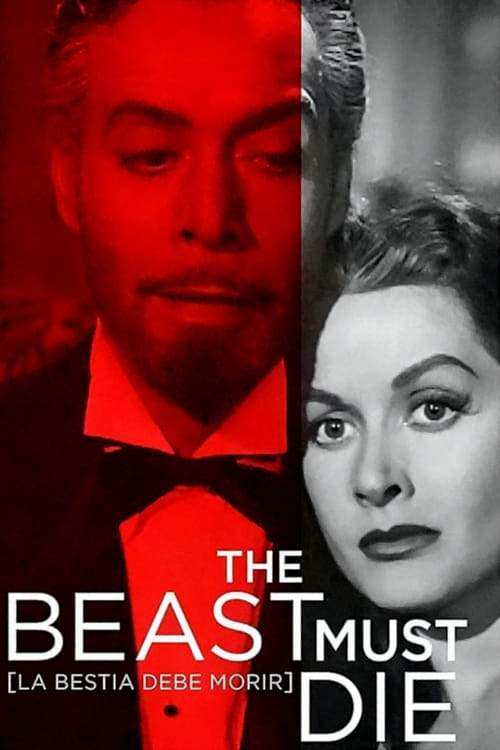
The Beast Must Die
1952
No user ratings available yet
Representation score: 0.5 out of 10
Representation Score
Limited
1957
Director
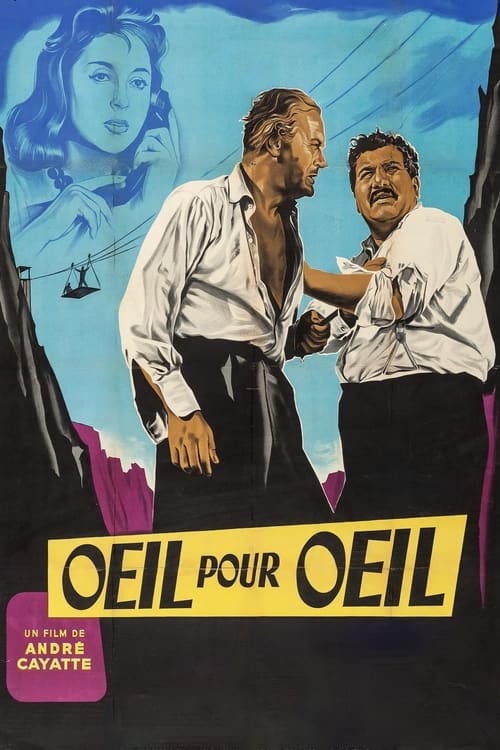
André Cayatte
Runtime
113 minutes
Average Rating
No ratings yetNew Showbiz Analysis
André Cayatte’s thriller is a narrow, male-dominated exploration of judicial morality. While it excels in its intellectual critique of state power, it remains confined by the social norms of 1957, lacking in diverse identities and inclusive casting. The film's strength lies in its thematic depth, especially in its examination of the legal system. However, it falls short in providing gender diversity and exploring multi-layered racial dynamics.
Category Breakdown
The film does not depict any non-straight relationships or identities. It adheres closely to traditional mid-20th-century social norms.
The story focuses on male characters who have significant control over the plot. Female characters play important emotional roles but do not drive the story independently.
The cast is mostly white and European, reflecting the era's casting practices. Despite being set in North Africa, the film does not give substantial roles to non-white characters.
The film provides a sophisticated critique of Western institutions, particularly questioning the state's authority and examining the complexities of systemic failure and moral judgment.
The film does not feature any characters with physical or cognitive disabilities. The focus remains on psychological themes and critiques of systemic issues.
Present on Screen
Limited or Absent
Official Synopsis
In North Africa, an anguished husband tests the character of the doctor he believes is responsible for his wife’s death.
1952

1958
1973
1969
1975
1956

1951
1951
No reviews yet. Be the first to share your thoughts on this movie!
Use the rating form above to leave a star rating and optional review.