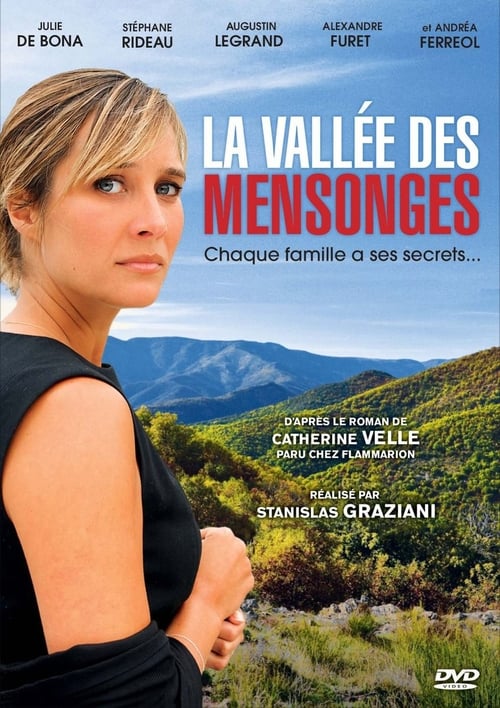
Murder in the Cevennes
2014
No user ratings available yet
Representation score: 3.3 out of 10
Representation Score
Good
2009
Director
Bettina Oberli
Runtime
93 minutes
Average Rating
No ratings yetNew Showbiz Analysis
The Murder Farm is a rigorous examination of social fragmentation and communal guilt. It prioritizes atmospheric realism and psychological erosion over conventional thriller elements, using a fragmented structure to explore how a violent crime impacts a closed society. Though the film lacks demographic diversity due to its specific historical and geographic setting, it offers progressive value by challenging traditional Western hierarchies. It avoids providing a comforting moral resolution, instead emphasizing the suffocating nature of established social orders. Ultimately, the film's strength lies in its intellectual depth and its refusal to rely on mainstream cinematic clichés, even as it remains limited by the homogeneity of its period setting.
Category Breakdown
The film focuses on the tight-knit, restrictive social dynamics of a 1950s Bavarian village. Though LGBTQ+ identities are not highlighted, the era's strict social norms imply a hidden world of suppressed non-traditional lives.
Female characters have substantial depth, especially Kathrin, who drives the community's confrontation with its past. The film avoids damsel-in-distress clichés, presenting women as key figures navigating intricate webs of guilt and societal judgment.
Given its 1950s Bavarian setting, the cast is primarily white. This demographic uniformity fits the historical context but offers no diverse casting to challenge the period's visual norms.
The narrative excels at critiquing traditional institutions and oppressive moral codes. It dismantles the sanctity of the village and family unit, revealing how these structures can hide systemic violence.
The film explores psychological trauma and mental instability rather than physical disabilities. These invisible conditions are shown as integral to character development, avoiding simplistic or exploitative portrayals.
Present on Screen
Limited or Absent
Official Synopsis
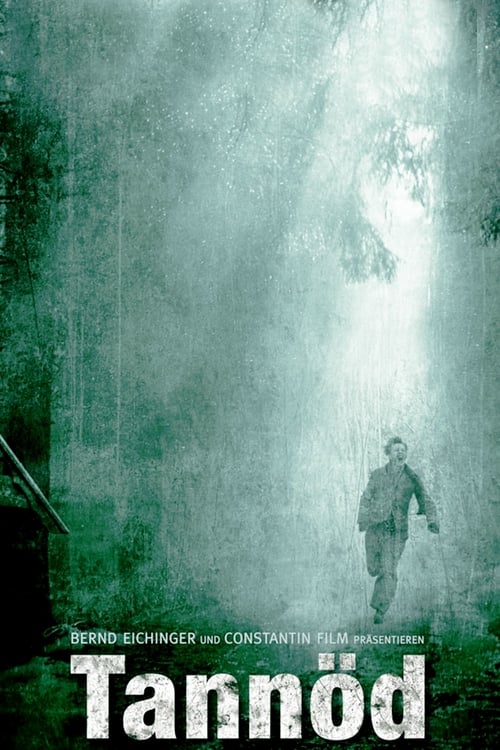
Bavaria, Germany, 1950s. The sudden return of the young Kathrin to the small village where she was born stirs up the feelings of guilt and personal ghosts of its inhabitants, haunted by dark memories related to a multiple murder that happened two years earlier at the Tannöd farm, a hideous crime that remains unsolved.
2014
2010
2011

2005
2015

2019
2020
2016
No reviews yet. Be the first to share your thoughts on this movie!
Use the rating form above to leave a star rating and optional review.