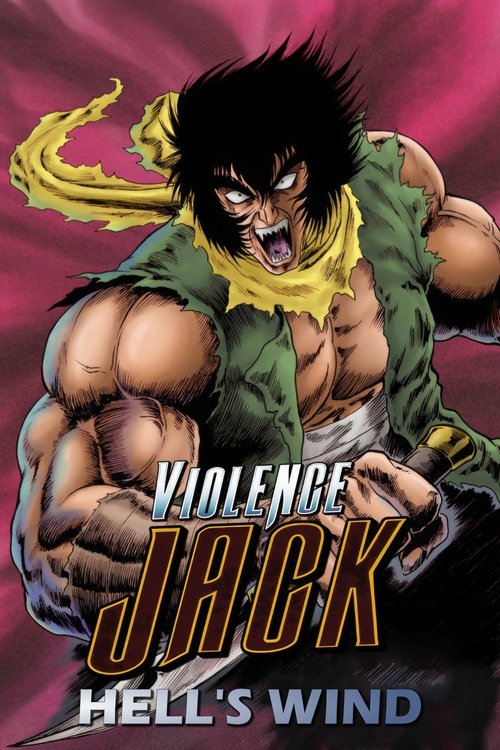
Violence Jack: Hell's Wind
1990
No user ratings available yet
Representation score: 4.8 out of 10
Representation Score
Limited
1988
UNRATEDDirector
Ichiro Itano
Runtime
55 minutes
Average Rating
No ratings yetNew Showbiz Analysis
Violence Jack: Evil Town is a hyper-masculine survivalist narrative that prioritizes visceral combat over social representation. The film operates within a traditional framework where ability to act is defined by physical dominance and combat prowess. The world-building focuses on a lawless, scavenger society where traditional morality and institutions have collapsed. While this creates a unique setting, it lacks intentional depth regarding the intersection of various identities or the subversion of power hierarchies. Ultimately, the film functions through survivalist clichés. It presents a binary world of strength versus weakness, leaving little room for nuanced depictions of gender, race, or disability.
Category Breakdown
The film does not include any representation of LGBTQ+ identities or same-sex intimacy. It operates within a framework that assumes everyone is straight and cisgender.
Women in the film are mostly passive subjects or victims within a violent power structure. Men dominate the narrative through physical strength and combat prowess.
The stylized manga aesthetic and post-apocalyptic setting obscure ethnic identities. Characters are portrayed as combatant archetypes rather than nuanced representations of diverse backgrounds.
Traditional institutions like religion and law are deconstructed through the collapse of societal order. However, this occurs as a byproduct of the genre rather than a targeted social critique.
Characters with disabilities are sidelined in this harsh environment. Survival is predicated on superhuman strength, suggesting those with disabilities are excluded.
Present on Screen
Limited or Absent
Official Synopsis
After disasters have all but destroyed the Earth, leaving entire cities buried, one man named Violence Jack tries to avert a civil war brewing among the wretched inhabitants of a subterranean metropolis called Evil Town. The known world is now a nightmare after a series of natural disasters. Survivors struggle to survive the harsh conditions. Evil Town is divided into three warring factions each fighting for supremacy.
1990
1986
1986
1988
1993
1992
1989
1993
No reviews yet. Be the first to share your thoughts on this movie!
Use the rating form above to leave a star rating and optional review.