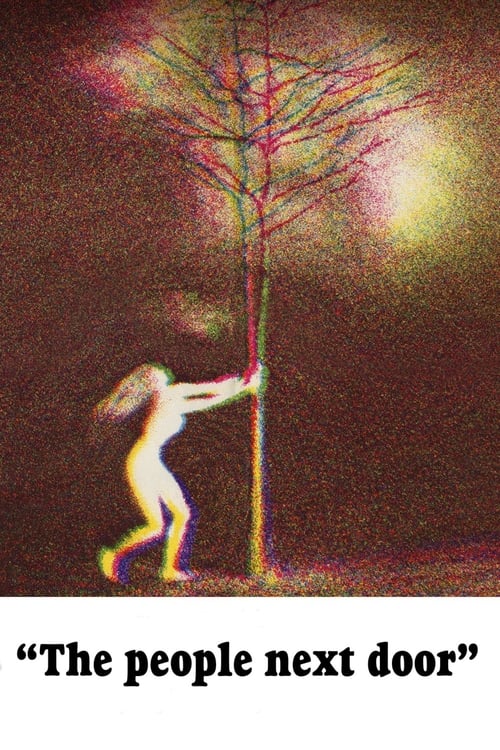
The People Next Door
1970
No user ratings available yet
Diversity score: 4.5 out of 10

1970
GPDirector
Carlos Saura
Runtime
95 minutes
Average Rating
No ratings yetSynopsis
The greedy relatives of a paralysed 45-year-old amnesiac millionaire go to extreme lengths to help him recover his memory.
Overall Score
Fair
Category Breakdown
LGBTQ+ Representation
The film explores psychological tensions and human intimacy. However, it lacks explicit depictions of non-cisnormative identities or same-sex intimacy, focusing instead on traditional romantic frictions.
Gender Representation
Saura disrupts domestic archetypes by centering on power struggles between genders. The narrative explores sexual repression and the instability of traditional patriarchal hierarchies.
Racial & Ethnic Diversity
The film functions within a homogeneous Spanish cultural framework. There is no evidence of a non-Anglo-Saxon majority cast or intentional color-blind casting.
Religious & Cultural Diversity
The film uses surrealism to critique the rigid moral and religious structures of the Spanish regime. It views established institutions as sites of repression.
Disability Representation
A paralyzed, amnesiac protagonist drives the plot. While avoiding typical tropes, the character's agency is limited by his condition, shifting focus to his relatives.
Strengths
Areas for Improvement
AI Analysis
The Garden of Delights is a sophisticated psychological study that prioritizes allegorical depth over demographic breadth. It uses surrealism to deconstruct the social and political repression of the Franco era, challenging traditional hierarchies through narrative architecture rather than overt representation. While the film lacks significant racial or LGBTQ+ diversity, it succeeds in subverting domestic and gendered norms. It replaces stable archetypes with volatile, psychologically complex relationships that critique the stability of the patriarchal household. Ultimately, the film's progressive value lies in its intellectual critique of systemic repression. It uses the fragility of the human condition to dismantle the perceived stability of social and religious institutions.
1970

1969

1970

1972

1990

1967

1977

2012

1997

2017

1981

1967
No reviews yet. Be the first to share your thoughts on this movie!
Use the rating form above to leave a star rating and optional review.