Jonas
1957
No user ratings available yet
Diversity score: 4.7 out of 10
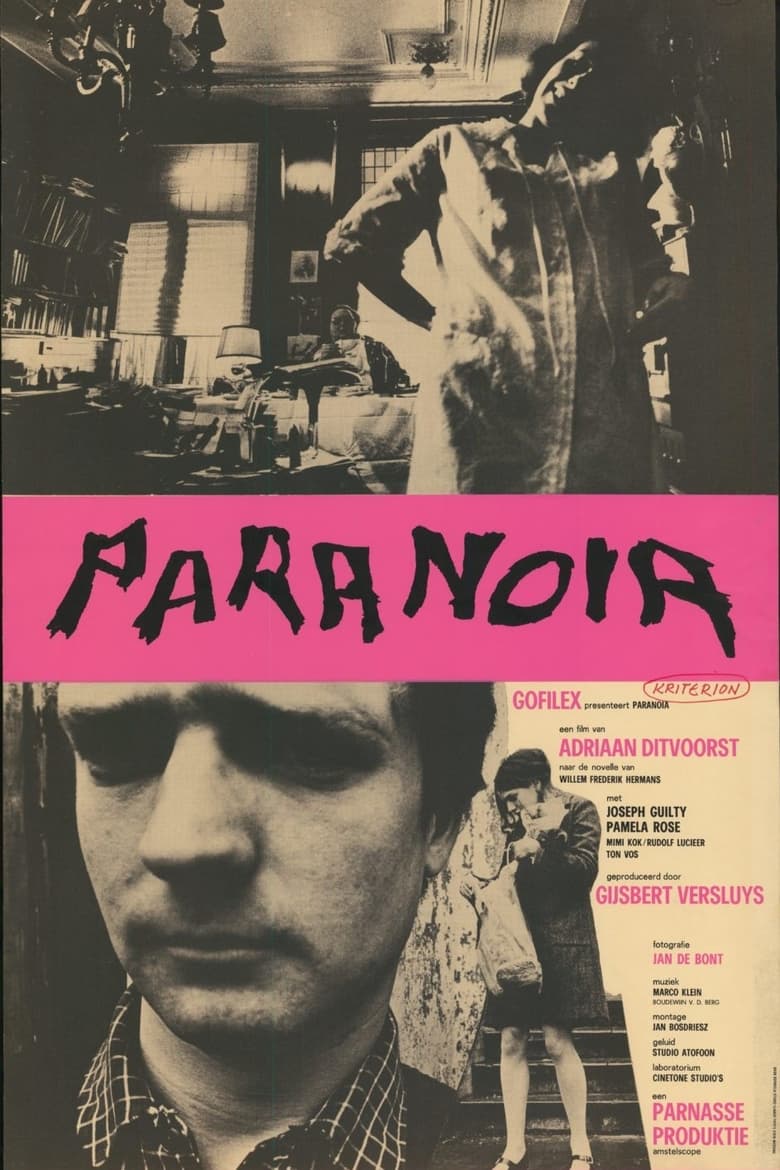
1967
Director
Adriaan Ditvoorst
Runtime
102 minutes
Average Rating
No ratings yetSynopsis
A man is under the illusion he is a wanted war criminal.
Overall Score
Fair
Category Breakdown
LGBTQ+ Representation
The film lacks explicit evidence of LGBTQ+ characters or narratives. The story focuses on the protagonist's internal psychological state rather than non-heteronormative identities.
Gender Representation
The narrative centers heavily on a singular male protagonist's descent into instability. This intense focus on male neurosis limits opportunities for nuanced gendered agency or female-driven plots.
Racial & Ethnic Diversity
The cast reflects the demographic homogeneity typical of 1967 European art-house cinema. There is no evidence of intentional racial blending or non-white casting to disrupt historical norms.
Religious & Cultural Diversity
The film critiques institutional authority and social cohesion through a surrealist lens. It uses the protagonist's alienation to explore the subjective nature of guilt and identity.
Disability Representation
The narrative provides a deep exploration of mental fragmentation and psychological instability. It centers on the lived experience of neurodivergence rather than using it as a mere plot device.
Strengths
Areas for Improvement
AI Analysis
Paranoia is a psychological study that prioritizes formalist subversion over demographic breadth. It challenges the viewer's perception of truth and authority through a postmodern lens, disrupting the cohesive narratives common in mid-century cinema. While the film excels at exploring the instability of the human psyche, it lacks intersectional depth. The focus remains narrow, primarily centered on the internal delusions of a single male character. Ultimately, the work functions as an experimental exploration of existential dread rather than a vehicle for diverse social representation.
1957

1982
2018
2004
1959

1984

1960

2001
1954
1967

1982
1949
No reviews yet. Be the first to share your thoughts on this movie!
Use the rating form above to leave a star rating and optional review.