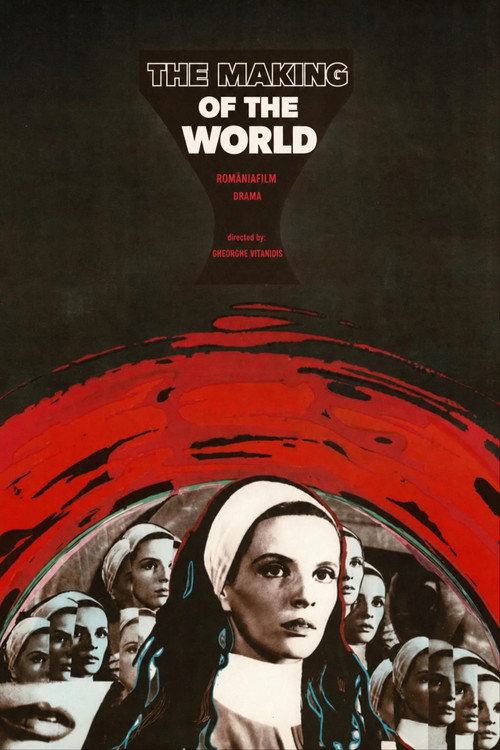
The Making of the World
1971
No user ratings available yet
Representation score: 4.7 out of 10
Representation Score
Limited
1941
Director
Kajirō Yamamoto
Runtime
127 minutes
Average Rating
No ratings yetNew Showbiz Analysis
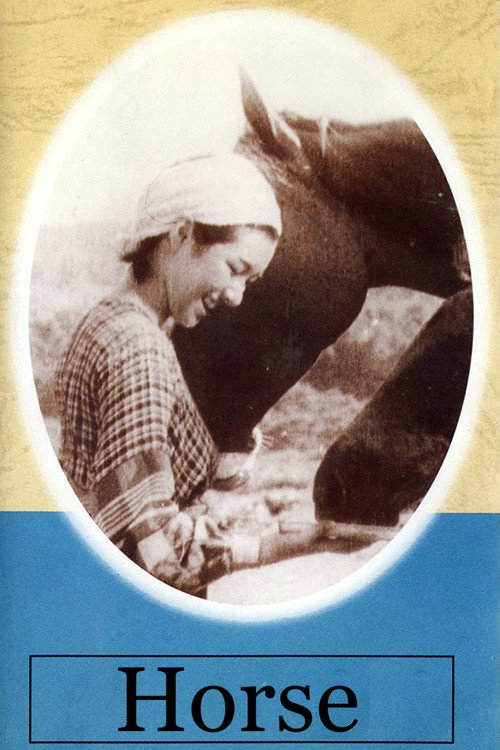
Kajirō Yamamoto’s drama centers on the emotional and physical labor of a female protagonist navigating systemic pressures. The film provides a voice to a underrepresented rural individual fighting against state-mandated loss. However, the film’s scope is narrow, focusing on a culturally homogeneous setting. It lacks the diverse identity markers found in more modern narratives. Ultimately, the work is a study of class and gendered ability to act within a rigid historical framework, prioritizing socioeconomic realism over social diversity.
Category Breakdown
The film does not include any LGBTQ+ characters or narratives. It focuses on traditional agrarian themes and family structures.
Ine Onoda is a proactive protagonist who drives the central conflict. She plays a significant role in the story, but the narrative remains rooted in traditional family hierarchies.
The production depicts a culturally homogeneous Japanese society. It prioritizes the socioeconomic struggles of the rural working class over ethnic diversity.
The narrative explores the tension between personal beliefs and state authority. It highlights the conflict between individual attachments and institutional mandates.
There are no characters with visible or invisible disabilities in this work.
Present on Screen
Limited or Absent
Official Synopsis
Ine Onoda, the eldest daughter of a poor family of farmers, raises a colt from birth and comes to love the horse dearly. When the horse is grown, the government orders it auctioned and sold to the army. Ine struggles to prevent the sale.
1971
1945
2012
1946
2015
1946
1978
1936
No reviews yet. Be the first to share your thoughts on this movie!
Use the rating form above to leave a star rating and optional review.