
My Rainy Days
2009
No user ratings available yet
Representation score: 2.2 out of 10
Representation Score
Fair
2003
Director
Isshin Inudo
Runtime
116 minutes
Average Rating
No ratings yetNew Showbiz Analysis
The film offers a nuanced character study that shines through its thoughtful depiction of disability. By emphasizing Josee's pursuit of independence and autonomy, it avoids common stereotypes. However, the work remains confined to traditional romantic and social structures, lacking engagement with diverse sexual identities or broader racial complexities. Ultimately, while the film is socially conservative in its romantic and ethnic scope, its portrayal of physical limitations provides a meaningful and character-driven narrative.
Category Breakdown
The film follows a typical romance between a male student and a female lead, without delving into non-traditional gender identities or sexual orientations.
The story centers on Josee's emotional journey, highlighting her struggle for independence and autonomy. It shifts from a caretaker dynamic to a focus on her personal growth.
The film reflects the demographics of contemporary Japan, showing a largely homogeneous society without significant racial blending or color-blind casting.
The narrative focuses on everyday life and family dynamics, avoiding religious themes. It explores the social interactions within a standard cultural context.
The film effectively integrates the practical and psychological aspects of wheelchair use into the protagonist's identity. Josee drives her own story rather than being a passive character.
Present on Screen
Limited or Absent
Official Synopsis
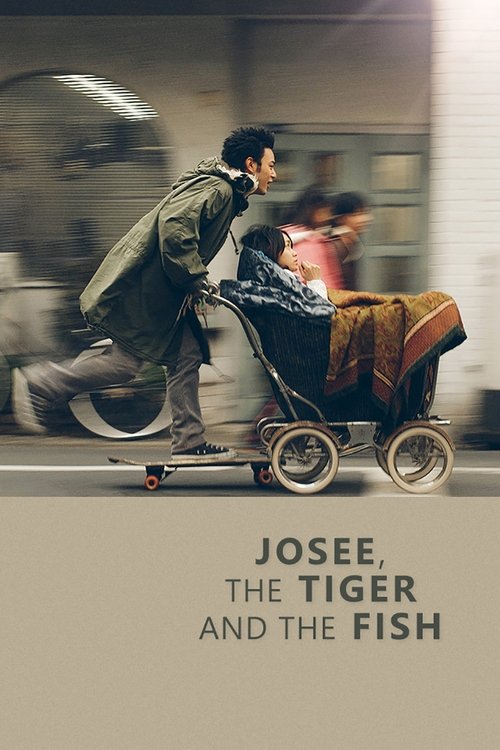
A part-time employee in a mahjong parlour runs across a young woman, who is unable to walk, in baby carriage. He becomes friends with the woman and begins to feel enamoured with her.
2009
1951
2002

2023

2021

2005

2012

2003
No reviews yet. Be the first to share your thoughts on this movie!
Use the rating form above to leave a star rating and optional review.