Love on Sunday
2006
No user ratings available yet
Representation score: 5.0 out of 10
Representation Score
Fair
2003
Director
Hiroshi Ando
Runtime
116 minutes
Average Rating
No ratings yetNew Showbiz Analysis
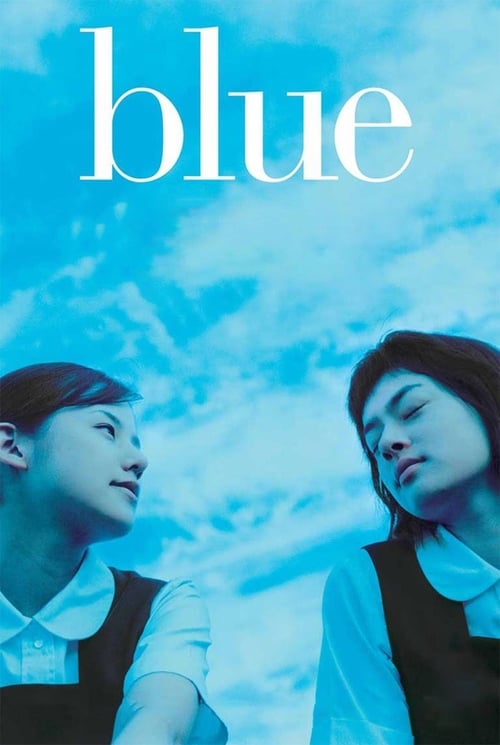
Hiroshi Ando’s *Blue* is a character-driven drama that places a queer romance at the center of its storytelling. By focusing on the intimacy and ability to act of two female students, the film avoids the clichés of traditional coming-of-age stories. The film excels in depicting female desire and emotional independence. It explores horizontal relationships and transitions from friendship to romance, moving away from traditional power hierarchies. While the film is set in a culturally specific and ethnically uniform environment, it provides a nuanced exploration of identity. It prioritizes personal emotional landscapes over societal or institutional pressures.
Category Breakdown
The film centers around a same-sex romance between two female students, which forms the core of the story rather than a side plot. This relationship gives the main characters significant influence over the story.
The story emphasizes the emotional autonomy and interior life of the female characters. They are defined by their own desires and friendships rather than their relationships to male figures.
The cast is ethnically uniform, reflecting the film's specific setting in a Japanese seaside town. It explores identity in a culturally specific context without blending different racial backgrounds.
The narrative focuses on the private emotional experiences of the characters rather than adhering to strict social norms or traditional Japanese hierarchies. It prioritizes personal feelings over institutional or familial structures.
The film does not include any characters navigating physical, neurodivergent, or mental health disabilities.
Present on Screen
Limited or Absent
Official Synopsis
An introverted schoolgirl falls in love and starts a relationship with one of her classmates. Set in a small seaside town in Japan.
2006
2009

2023

1998

1985

2014
2009
2015
No reviews yet. Be the first to share your thoughts on this movie!
Use the rating form above to leave a star rating and optional review.