Open House
1998
No user ratings available yet
Representation score: 4.5 out of 10
Representation Score
Good
2002
Director
Junichi Mori
Runtime
126 minutes
Average Rating
No ratings yetNew Showbiz Analysis
Junichi Mori's drama excels by centering its narrative on characters who exist outside of standard social norms. The film's greatest strength lies in its nuanced portrayal of neurodivergence, presenting Teru's cognitive differences as integral to his humanity rather than a mere plot device. However, the film remains limited by its lack of diverse representation. The cast is culturally homogeneous, and the romantic storyline adheres to a traditional heterosexual format, offering little to LGBTQ+ viewers. Ultimately, the film is a character study of psychological non-conformity. It prioritizes a deep, personal exploration of how individuals with internal struggles find connection over broader social representation.
Category Breakdown
The film focuses on a heterosexual relationship between Teru and Mizue. There are no explicit LGBTQ themes or non-cisgender identities represented.
The story challenges traditional gender roles by highlighting emotional vulnerability. Mizue has a complex inner life, while Teru's role as a business owner gives him significant influence.
This Japanese production features a cast that is culturally uniform. It avoids a Western-centric viewpoint by focusing on a localized social reality.
The narrative emphasizes individual psychological truth over societal norms. It gently critiques the pressures needed for conventional social integration.
Teru’s neurodivergence is a core part of his identity and ability to act. The film presents his cognitive differences as a lived reality rather than a mere plot device.
Present on Screen
Limited or Absent
Official Synopsis
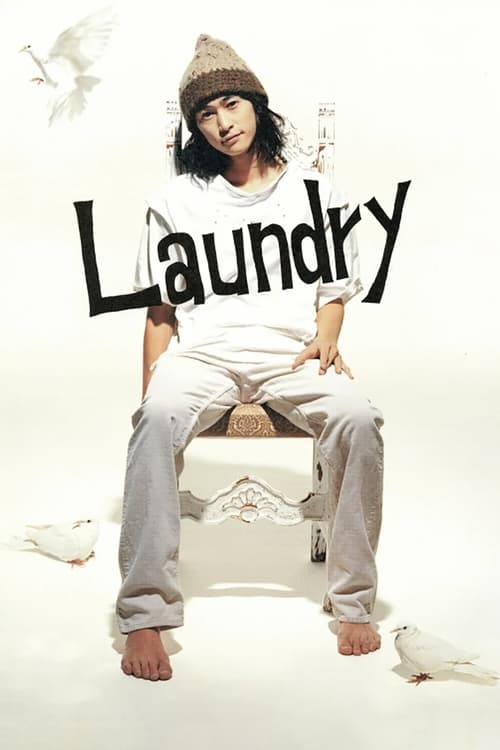
A young man named Teru, mentally altered by a childhood injury, runs a laundry and falls for Mizue, a lonely young woman with internal scars.
1998
2009
2003

1991
2009

2021
2009

2003
No reviews yet. Be the first to share your thoughts on this movie!
Use the rating form above to leave a star rating and optional review.