The Hugo Chavez Show
2008
No user ratings available yet
Representation score: 5.0 out of 10
Representation Score
Minimal
2003
UnratedDirector
Donnacha O'Briain, Kim Bartley
Runtime
74 minutes
Average Rating
No ratings yetNew Showbiz Analysis
The film provides a powerful non-Western perspective, focusing on the racial and cultural realities of the Venezuelan working class. It effectively challenges Western media dominance by prioritizing the voices of the populace over established capitalist interests. However, the documentary's focus on macro-political events and civil unrest means it does not address specific identity-based groups such as LGBTQ+ individuals or those with disabilities. Ultimately, the work is a specialized political tool offering significant depth in its critique of systemic power and post-colonial sovereignty.
Category Breakdown
The documentary focuses on a national crisis and does not explore LGBTQ+ identities or sexual orientation.
Women are shown among activists and the working class, but the film does not challenge traditional gender roles or hierarchies.
The film centers on the Venezuelan working class, highlighting the intersection of race and socioeconomic status to challenge Western media homogeneity.
The narrative emphasizes anti-imperialist frameworks and national sovereignty, framing the struggle against capitalist structures as essential for social change.
There is no focus on disability or neurodivergence. The subjects are primarily involved in high-intensity political activism and civil unrest.
Present on Screen
Limited or Absent
Official Synopsis
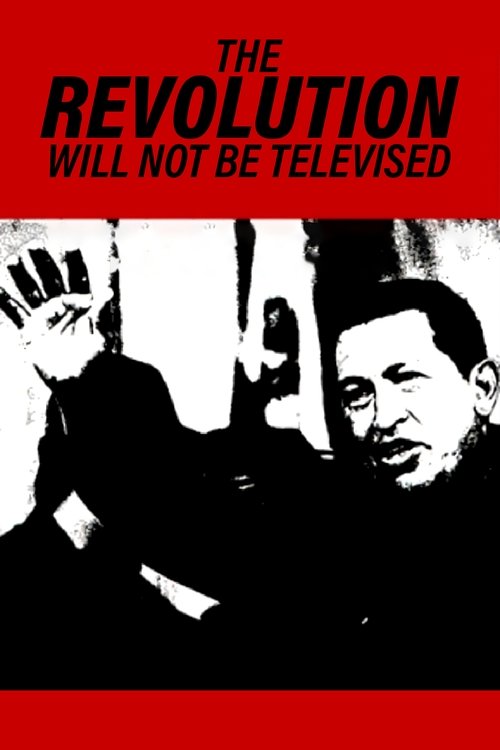
Hugo Chavez was a colourful, unpredictable folk hero who was beloved by his nation’s working class. He was elected president of Venezuela in 1998, and proved to be a tough, quixotic opponent to the power structure that wanted to depose him. When he was forcibly removed from office on 11 April 2002, two independent filmmakers were inside the presidential palace.
2008

2017

2018

2011

2004

2015

2012

2019
No reviews yet. Be the first to share your thoughts on this movie!
Use the rating form above to leave a star rating and optional review.