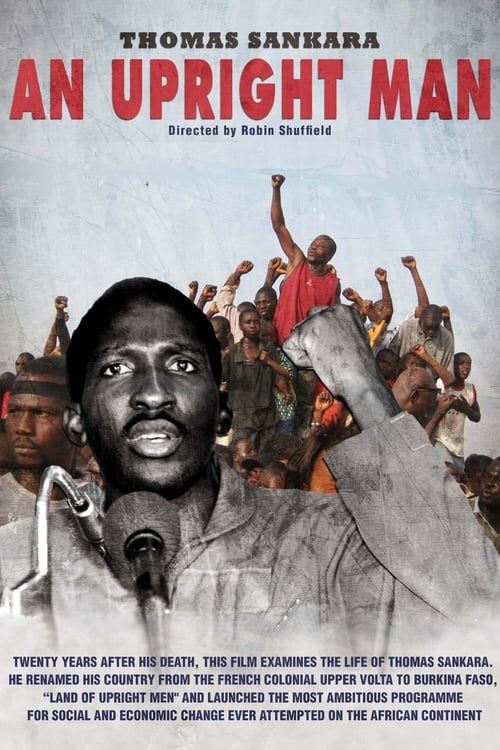
Thomas Sankara: The Upright Man
2006
No user ratings available yet
Representation score: 4.8 out of 10
Representation Score
Good
2012
Director
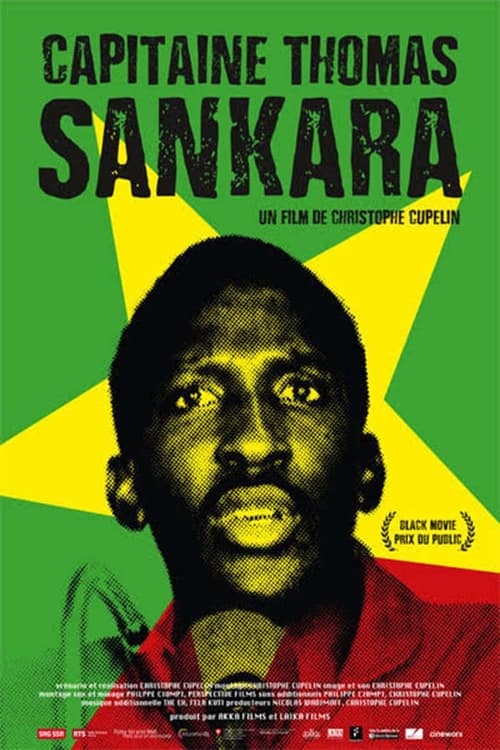
Christophe Cupelin
Runtime
88 minutes
Average Rating
No ratings yetNew Showbiz Analysis
This documentary serves as a powerful deconstruction of post-colonial power structures. By utilizing archival footage, it shifts the historical perspective away from Western-centric views toward localized Pan-African ability to act. The film excels at dismantling traditional hierarchies, particularly through its focus on racial sovereignty and the critique of global hegemony. It positions Sankara’s leadership as a direct challenge to neoliberal economic models. While the film provides a sophisticated study of systemic empowerment and gender reform, it lacks specific focus on LGBTQ+ identities or disability-centric narratives.
Category Breakdown
The documentary focuses on the political and socio-economic landscape of 1980s Burkina Faso. There is no documented evidence of LGBTQ+ narratives or non-cisgender identities within the archival focus.
The film highlights Sankara’s progressive approach to gender equality and legislative reform. It portrays the integration of women into the workforce and the challenge to traditional patriarchal structures.
The film achieves exceptional representation by centering a Black African protagonist and the Burkinabé experience. It disrupts Eurocentric lenses by framing African sovereignty as the primary driver of the narrative.
Deeply rooted in anti-capitalist discourse, the film celebrates Pan-Africanism and self-reliance. It frames the struggle against neo-colonialism and Western institutional influence as a necessary movement for liberation.
There is no specific focus on disability or neurodivergence. The documentary's primary lens remains political and systemic rather than centered on individual physical or mental health.
Present on Screen
Limited or Absent
Official Synopsis
A portrait composed of archives of Thomas Sankara, president of Burkina Faso between 1983 and his murder in 1987. Ready to liberate his country and transform the mentalities of his fellow citizens, contesting the world’s political order and challenging the powers of his time, Sankara stands out strongly in the history both of Africa and of the world.
2006
1984
1991
2017
1999
2015
2012
2013
No reviews yet. Be the first to share your thoughts on this movie!
Use the rating form above to leave a star rating and optional review.