The Hugo Chavez Show
2008
No user ratings available yet
Representation score: 5.0 out of 10
Representation Score
Excellent
2018
Director
Gustavo Tovar-Arroyo
Runtime
95 minutes
Average Rating
No ratings yetNew Showbiz Analysis
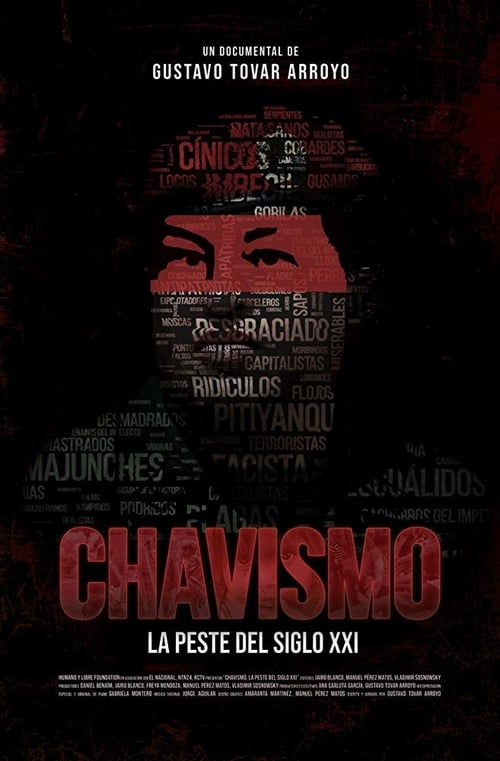
Chavismo: The Plague of the 21st Century disrupts conventional geopolitical narratives by centering a non-Western struggle. By focusing on the internal complexities of Venezuelan social movements, the film provides a platform for diverse racial and cultural perspectives that challenge established global hierarchies. However, the documentary's focus on macro-political and economic shifts results in a lack of depth regarding specific identities. Specific communities, such as LGBTQ+ individuals and neurodivergent people, are not explicitly addressed as central themes. Ultimately, the film excels at providing a non-Anglo-Saxon perspective on systemic power, even if it misses opportunities to explore specific identity-based social histories.
Category Breakdown
The film does not provide explicit evidence of LGBTQ+ narratives. It maintains a neutral stance typical of political documentaries that focus on institutional and economic analysis.
The narrative includes diverse perspectives through civil society and student movements. However, it does not specifically address gendered power dynamics or leadership roles.
The documentary centers a Latin American context, providing high ability to act for characters of color by focusing on a South American struggle through a non-Western lens.
The film engages deeply with themes of systemic critique and the deconstruction of political institutions. It prioritizes collective identity and social struggle over traditional state-centric narratives.
The film touches on physical vulnerability through the secrecy surrounding Chávez's illness. This serves as a political plot point rather than an exploration of disability ability to act.
Present on Screen
Limited or Absent
Official Synopsis
An analysis of the causes, social, political, and economic that caused the rise of Hugo Chávez as president of Venezuela; his abuse of power and the response of civil society, including the student movement; his political fall as well as the secrecy that surrounded his illness and the succession of Nicolás Maduro.
2008
2017
2003
2019
2014
2015
2019
2013
No reviews yet. Be the first to share your thoughts on this movie!
Use the rating form above to leave a star rating and optional review.