Shades of Gray
1948
No user ratings available yet
Representation score: 2.5 out of 10
Representation Score
Limited
2005
RDirector
Samuel Fuller
Runtime
163 minutes
Average Rating
No ratings yetNew Showbiz Analysis
The film is a restorative edit of a classic war drama, meaning its diversity is tied to the original 1980 footage. While it breaks ground by including a multi-ethnic combat unit, the narrative remains firmly rooted in mid-century masculine archetypes and Western military structures. Representation is limited by the genre's historical constraints. The focus on brotherhood and duty reinforces traditional gender hierarchies and nationalistic themes, leaving little room for non-straight or non-cisgender identities or diverse cultural critiques. Ultimately, the work provides meaningful racial variety within its ensemble but lacks depth in disability ability to act and gender parity, reflecting the era's conventional social orders.
Category Breakdown
The film adheres to traditional mid-20th-century military frameworks. There is no documented evidence of non-straight or non-cisgender identities or same-sex intimacy.
The narrative centers on a male-dominated combat environment. Male soldiers are the primary drivers of the plot, reinforcing traditional roles of men as the main characters.
The film depicts a diverse combat unit, disrupting a purely homogeneous view of the American military. However, character's ability to drive the story remains tied to broader military objectives and institutional structures.
The story is deeply embedded in Western military tradition and patriotism. It explores the moral weight of duty through established nationalistic and institutional frameworks.
Physical trauma and injury serve primarily as plot devices to illustrate combat brutality. These depictions often lack nuanced ability to act, functioning instead as spectacle to underscore battlefield stakes.
Present on Screen
Limited or Absent
Official Synopsis
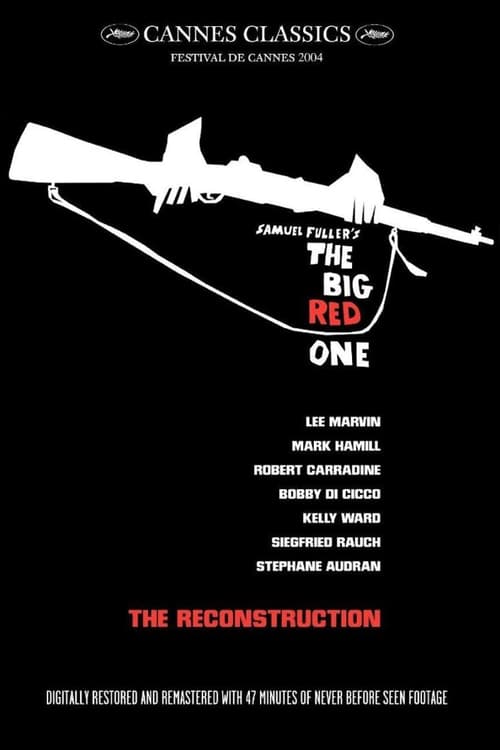
A re-working, re-editing, and restructuring of Sam Fuller's The Big Red One bringing it closer as originally envisioned by the late filmmaker. It includes forty-seven additional minutes which was not utilized in the film's original release. Supervised by Richard Schickel, Peter Bogdanovich, and editor Bryan McKenzie.
1948
1946
1963
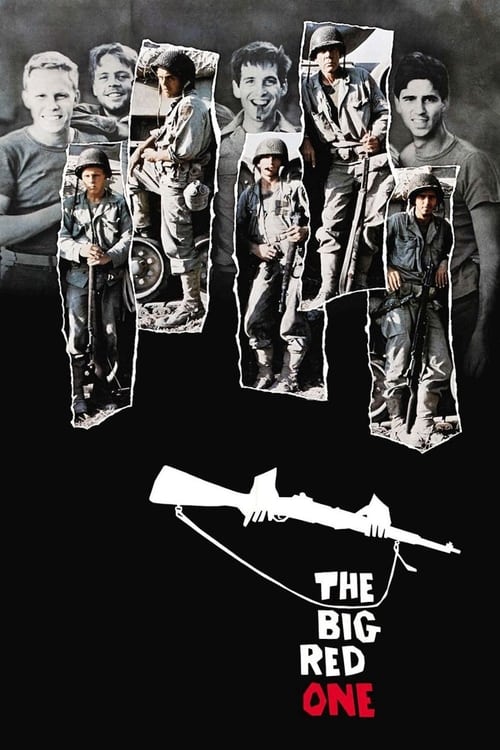
1980
1985

2009

2013
1950
No reviews yet. Be the first to share your thoughts on this movie!
Use the rating form above to leave a star rating and optional review.