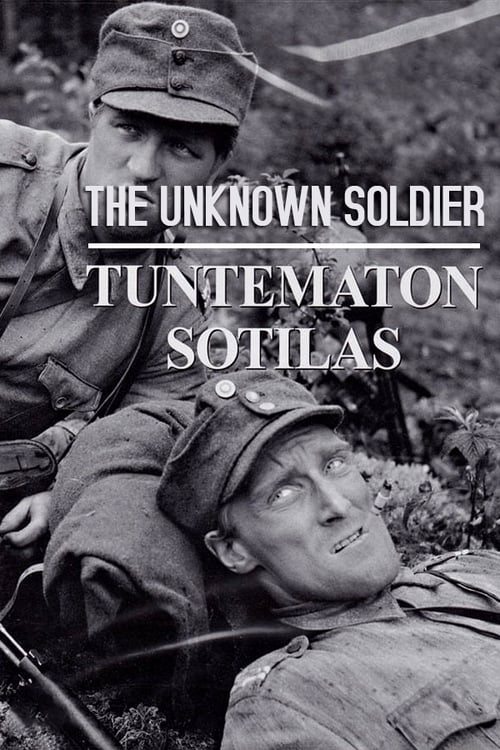
The Unknown Soldier
1955
No user ratings available yet
Representation score: 1.3 out of 10
Representation Score
Limited
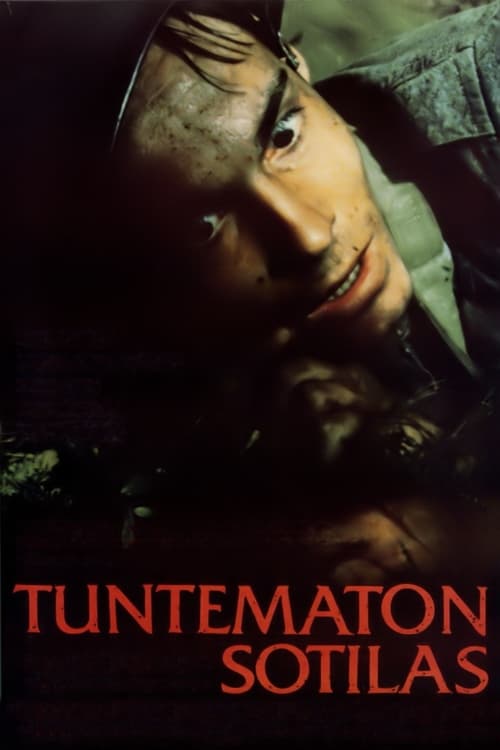
1985
Director
Rauni Mollberg
Runtime
199 minutes
Average Rating
No ratings yetNew Showbiz Analysis
The Unknown Soldier is a work of historical naturalism that prioritizes existential themes over modern characters who reflect more than one aspect of diversity. It functions as a grim study of the human condition under the duress of war. The film adheres closely to the demographic and social realities of 1940s Finland. Consequently, it lacks the progressive markers of identity-driven storytelling found in contemporary cinema. Rather than deconstructing social hierarchies, the narrative architecture focuses on the individual's struggle against environmental and systemic violence within a localized, culturally specific setting.
Category Breakdown
The film does not include any LGBTQ+ characters or non-straight relationships. It focuses solely on the military experience of the mid-20th century without any queer subtext.
The story centers on the psychological and physical burdens of male combatants. While it avoids glorifying masculinity by showing trauma, it lacks female characters with significant roles.
The cast and setting are ethnically homogeneous, reflecting the specific historical and geographical context of the Finnish front during the Continuation War.
The film avoids singular religious morality, focusing instead on the harshness of nature. It depicts the systemic weight of war as a universal human tragedy.
Physical and psychological trauma are depicted as inevitable consequences of combat. However, the film does not explore neurodivergence or specific disability identities as character-driven narratives.
Present on Screen
Limited or Absent
Official Synopsis
Second silver screen adaption of the Finnish war book by Väinö Linna. The story is based on Linna's experiences as an infantry man in the Finnish army during the so called "Continuation War" (1941-1944).
1955
1959
1981
1946
1989
1999
1962
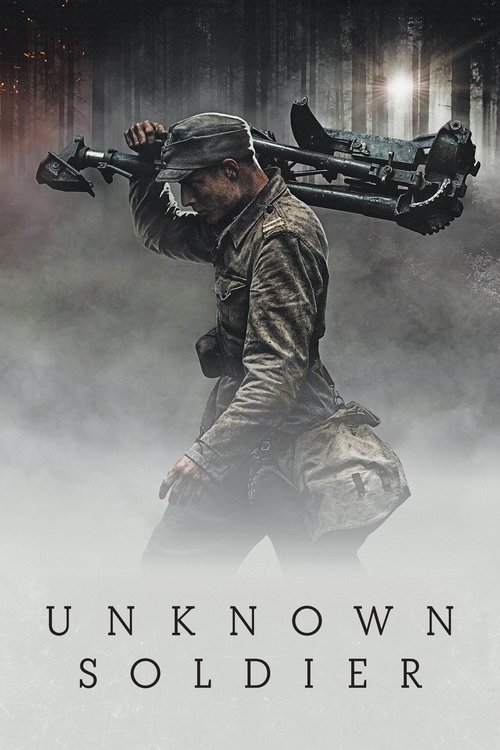
2017
No reviews yet. Be the first to share your thoughts on this movie!
Use the rating form above to leave a star rating and optional review.