Shell Shock
1964
No user ratings available yet
Representation score: 4.3 out of 10
Representation Score
Limited
1948
ApprovedDirector
Joseph Henabery
Runtime
65 minutes
Average Rating
No ratings yetNew Showbiz Analysis
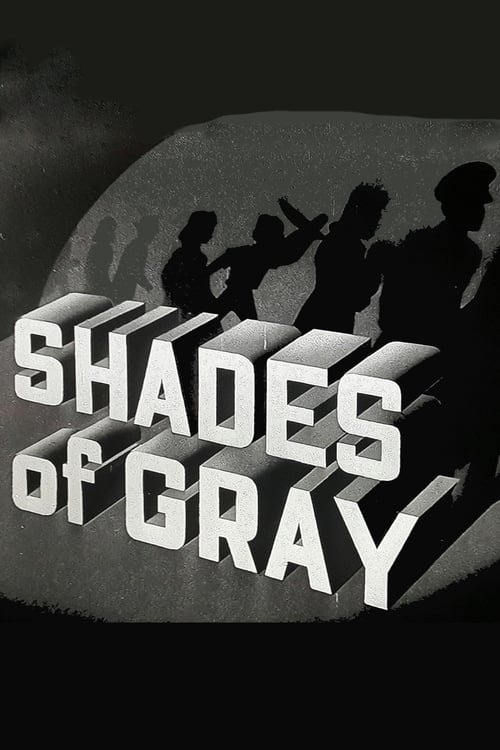
Shades of Gray serves as a state-sanctioned corrective to the raw realism found in earlier documentaries. By removing directors like John Huston, the production shifted from investigative truth toward institutional narrative management. The film prioritizes morale over the complex realities of war. Instead of exploring the psychological impacts of combat, the work reinforces existing social and military hierarchies. It replaces inconvenient truths with a dramatized, upbeat version of reality designed to protect the image of the U.S. Army Signal Corps. Ultimately, the film acts as a tool for institutional stability. It avoids addressing multi-layered truths, opting instead to sanitize the human experience of conflict to ensure a patriotic and unvarnished military identity.
Category Breakdown
The film does not include any characters with non-straight sexual orientations or gender identities. Its positive tone suggests a strict adherence to the social norms of 1948.
The story emphasizes traditional gender roles by avoiding any portrayal of masculine vulnerability. It likely upholds conventional gender roles for women, focusing on their domestic and emotional responsibilities.
The production reflects the systemic segregation of the late 1940s. It presents a homogeneous depiction of American military identity without any diverse representation.
The film prioritizes patriotism and the perceived infallibility of military institutions. It functions to uphold a singular, morale-boosting morality aligned with state interests.
The film avoids addressing mental health issues related to combat-induced stress by suppressing these truths. It sidelines psychological trauma to maintain an optimistic, sanitized view.
Present on Screen
Limited or Absent
Official Synopsis
After the suppression of "Let There Be Light" (a documentary about combat-induced post-traumatic stress disorders which presented many inconvenient and demoralizing truths), the U.S. Army Signal Corp created this dramatized up-beat remake of the film. Only this time, the production excluded the involvement of John Houston, the producer of the original documentary.
1964
1959
2005
1946
1952
1958
1949

1942
No reviews yet. Be the first to share your thoughts on this movie!
Use the rating form above to leave a star rating and optional review.