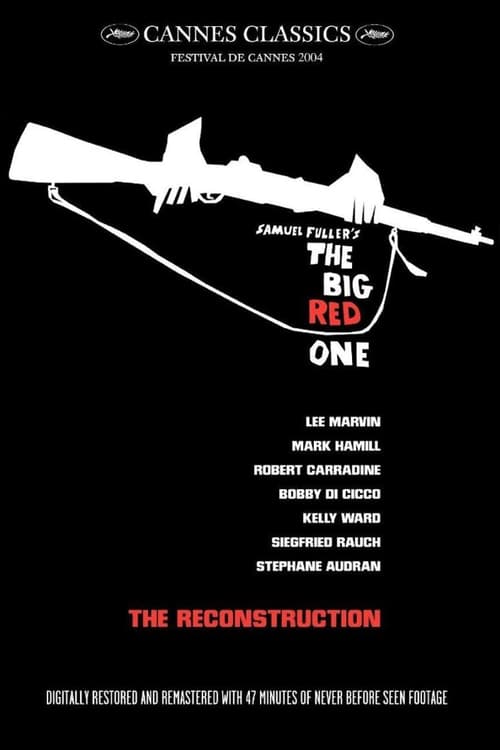
The Big Red One: The Reconstruction
2005
No user ratings available yet
Representation score: 3.2 out of 10

Representation Score
Limited
2013
Director
Paul Thomas Anderson
Runtime
20 minutes
Average Rating
No ratings yetNew Showbiz Analysis
Back Beyond functions as a cinematic archive rather than a standalone feature. As a compilation of unused footage and alternative takes from The Master, it lacks the necessary structure to assess long-term character arcs or systemic themes. Despite this fragmentation, the work benefits from Paul Thomas Anderson's creative pedigree. His tendency to explore unconventional social structures and challenge traditional authority figures suggests an underlying interest in disrupting conventional social norms. Ultimately, the work serves as a collection of supplemental materials. While it offers glimpses of complex human ability to act, it cannot be fully evaluated as a complete narrative statement on representation.
Category Breakdown
The montage lacks a cohesive narrative structure to clearly show LGBTQ identities. Individual frames may hint at queer themes, but there is no clear depiction of these identities.
The footage provides glimpses into complex interpersonal dynamics. Women appear in roles requiring intellectual and emotional depth, but the fragmented nature prevents a thorough assessment of gender roles.
The material reflects the period-specific casting of The Master. While the cast includes diversity, it is hard to determine if characters of color have significant influence within these fragments.
The fragments suggest themes of moral relativism and questioning of institutional authority. The material explores the tension between individual impulses and organized social or religious structures.
There is insufficient evidence within this montage to identify neurodivergence or physical disabilities as central narrative elements.
Present on Screen
Limited or Absent
Official Synopsis
A montage of unused scenes, shots and takes from P. T. Anderson's The Master (2012).
2005
2013
1974

2009
2012

2004
2012

1971
No reviews yet. Be the first to share your thoughts on this movie!
Use the rating form above to leave a star rating and optional review.