Patient Porky
1940
No user ratings available yet
Diversity score: 1.6 out of 10
1940
ApprovedDirector
Robert Clampett
Runtime
7 minutes
Average Rating
No ratings yetSynopsis
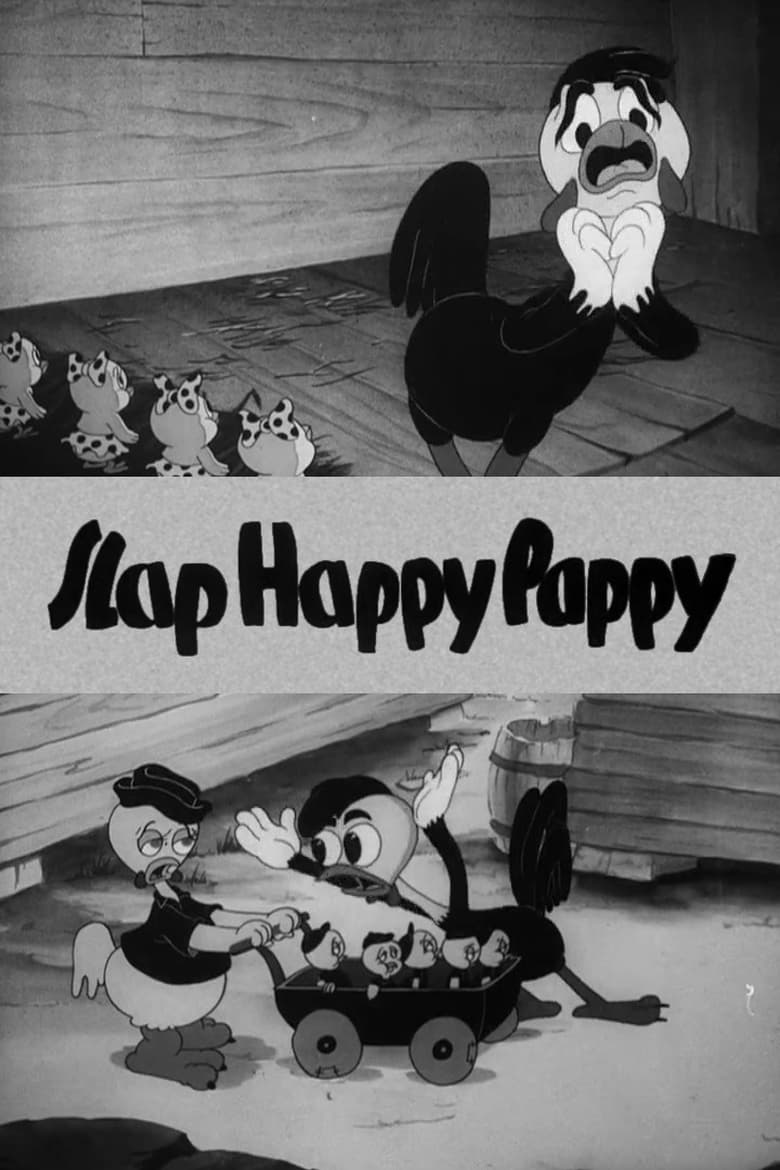
Porky runs a farm; we see him plowing the fields. But it's primarily a poultry farm; as the sign says, "For sale: Miracle eggs if it's a good egg, it's a miracle." A rabbit, doing a Jack Benny impression (Jack Bunny), paints and inspects eggs. He starts to smash and reject a black egg, but it hatches into a black baby bird doing a Rochester impression. We next visit the Eddie Cackler family, (Eddie Cantor) who have been trying without success to have a son; the next five eggs hatch, and they are again all girls. A Bing Crosby lookalike comes by with a stroller full of sons, and Eddie asks for his secret; he demonstrates by crooning to a chick, who lays dozens of eggs with boys names on them. Eddie croons to his wife, but in a higher pitch, then dances out singing the theme song to other caricatures. The egg hatches, but in answer to Eddie's question, is it really a boy? "Mmmm... could be."
Overall Score
Limited
Category Breakdown
LGBTQ+ Representation
The film lacks any depiction of non-heteronormative identities. The narrative focuses strictly on the pursuit of biological progeny and the reinforcement of the nuclear family unit.
Gender Representation
The story operates within a traditional gender hierarchy. The central conflict revolves around a character's desire for a male heir, framing the absence of sons as a narrative deficit.
Racial & Ethnic Diversity
The film relies on racialized caricatures through celebrity impressions. A black baby bird performing a Rochester impression uses contemporary racial tropes rather than providing character depth.
Religious & Cultural Diversity
The narrative reinforces traditional Western social structures and domestic milestones. It prioritizes a comedic structure that celebrates the era's status quo without critiquing institutional norms.
Disability Representation
There are no visible or invisible disabilities portrayed within the narrative.
Strengths
Areas for Improvement
AI Analysis
Slap Happy Pappy is a quintessential product of its era, utilizing celebrity-based caricatures and traditional family structures to drive its comedy. While Robert Clampett's kinetic direction provides stylistic energy, the thematic content remains tethered to the conservative social expectations of 1940. The film relies heavily on tropes, particularly regarding gender and race. The plot's motivation is rooted in patriarchal lineage, and the use of racialized impressions serves as a comedic shorthand rather than meaningful representation. Ultimately, the work lacks intentional subversion of identity or systemic critique. It functions as a reflection of the period's social hierarchies rather than a challenge to them.
1940
1942
1943
1942
1942
1942
1945
1944
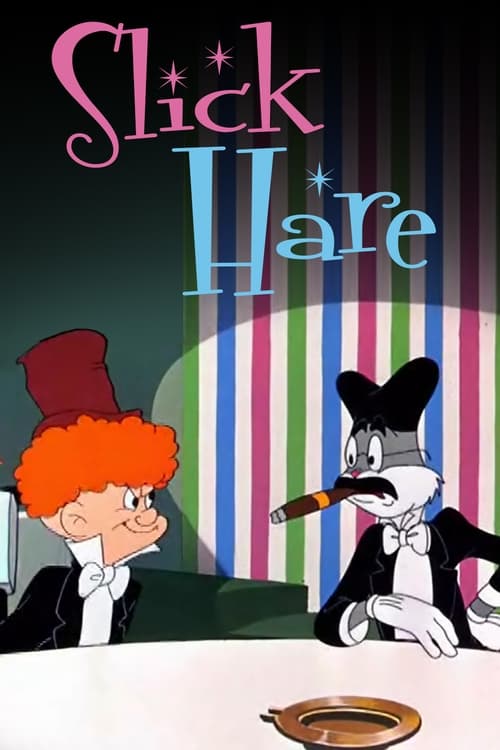
1947
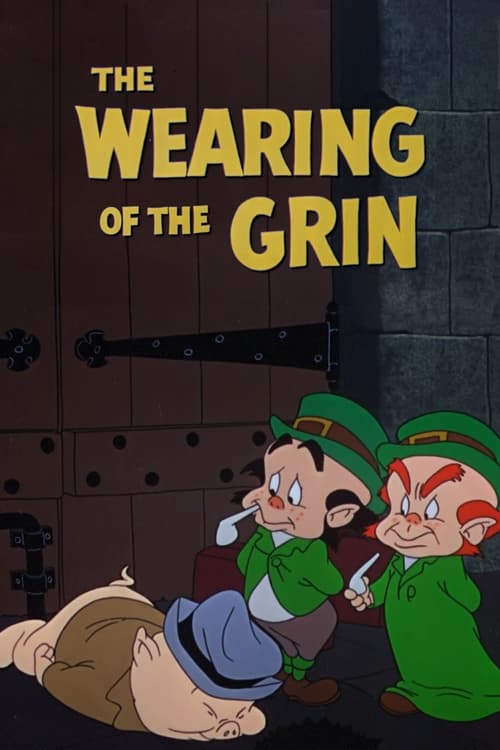
1951
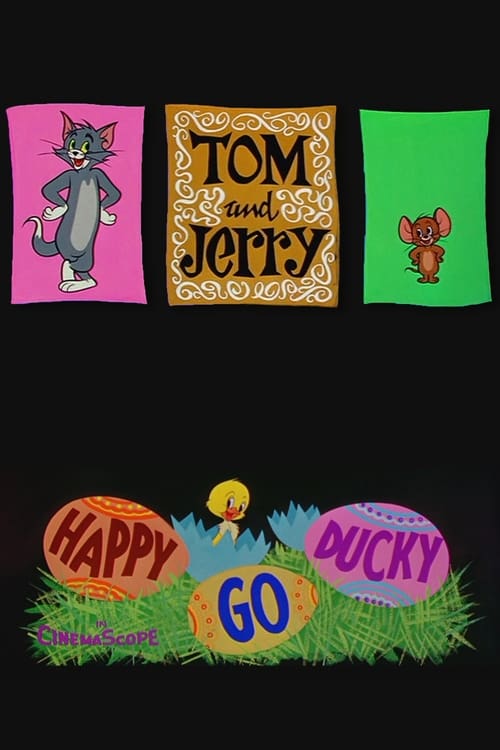
1958
1944
No reviews yet. Be the first to share your thoughts on this movie!
Use the rating form above to leave a star rating and optional review.