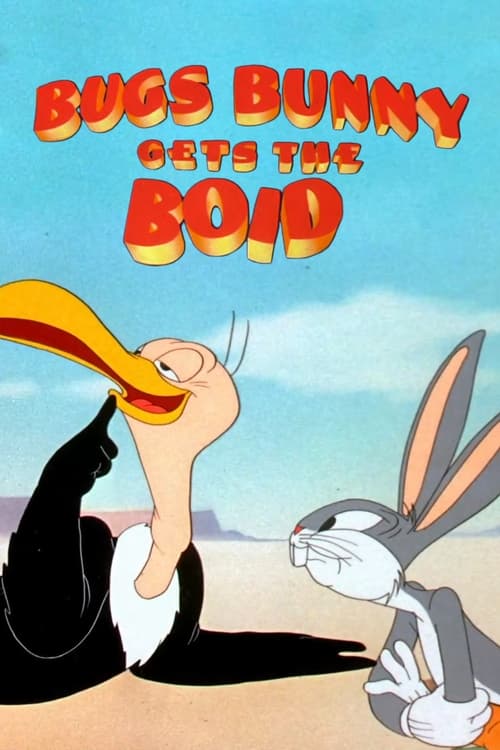
Bugs Bunny Gets the Boid
1942
No user ratings available yet
Diversity score: 1.6 out of 10
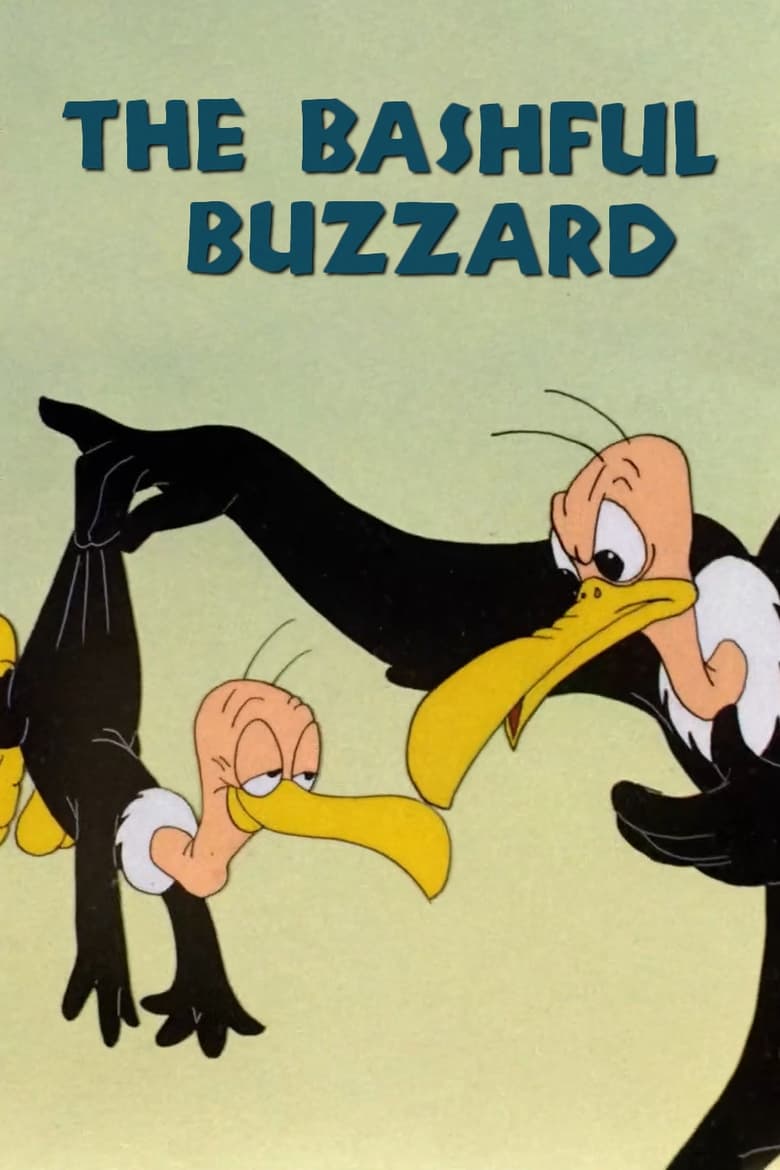
1945
GDirector
Robert Clampett
Runtime
7 minutes
Average Rating
No ratings yetSynopsis
Beaky Buzzard, the shyest, dopiest young buzzard in his family, is sent out to catch something to eat.
Overall Score
Limited
Category Breakdown
LGBTQ+ Representation
The film lacks any evidence of non-heteronormative identities. It follows the standard anthropomorphic character tropes common to 1945 animation.
Gender Representation
The narrative centers on a single male protagonist, Beaky Buzzard. There is no evidence of female characters or the subversion of traditional gender hierarchies.
Racial & Ethnic Diversity
The cast consists of anthropomorphic animals, which lacks racial or ethnic diversity. It reflects the homogeneous casting patterns typical of mid-1940s studio animation.
Religious & Cultural Diversity
The story focuses on individual character struggles through slapstick humor. It avoids systemic critique or any significant cultural or institutional deconstruction.
Disability Representation
Beaky Buzzard is portrayed as shy and dopey, which may touch on neurodivergent traits. However, these qualities function primarily as comedic devices rather than nuanced representation.
Strengths
Areas for Improvement
AI Analysis
The Bashful Buzzard is a product of the mid-1940s animation era, prioritizing surreal, character-driven absurdity over social complexity. The film operates within a traditionalist framework that lacks intersectional depth or diverse casting. While the protagonist's personality traits offer a glimpse into cognitive differences, they are utilized as comedic catalysts rather than meaningful portrayals of agency. The work adheres to the era's standard entertainment tropes, focusing on individualist humor rather than cultural critique.
1942
1943
1942
1943
1942
1938
1946
1954
1944
1948
1950
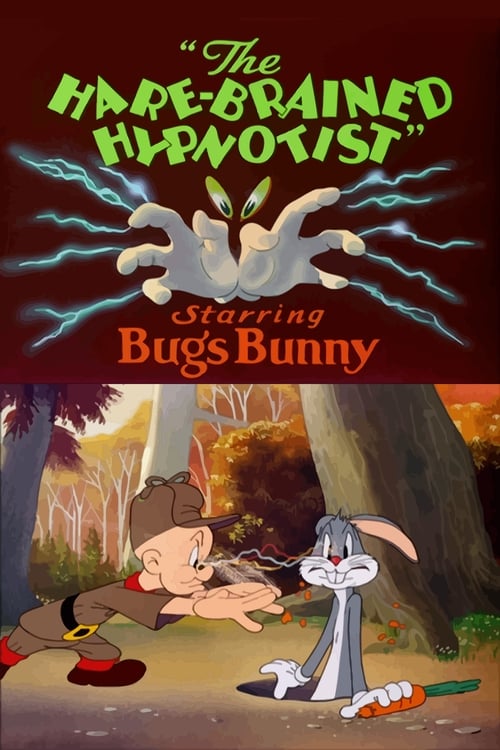
1942
No reviews yet. Be the first to share your thoughts on this movie!
Use the rating form above to leave a star rating and optional review.