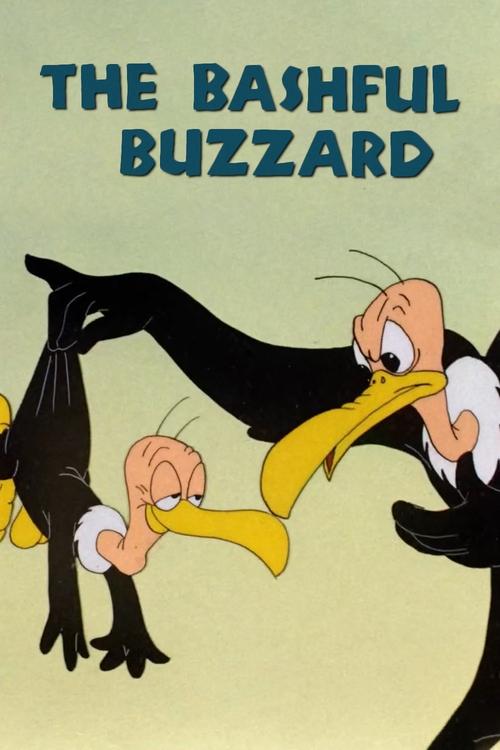
The Bashful Buzzard
1945
No user ratings available yet
Representation score: 1.7 out of 10
Representation Score
Minimal
1942
NRDirector
Robert Clampett
Runtime
7 minutes
Average Rating
No ratings yetNew Showbiz Analysis
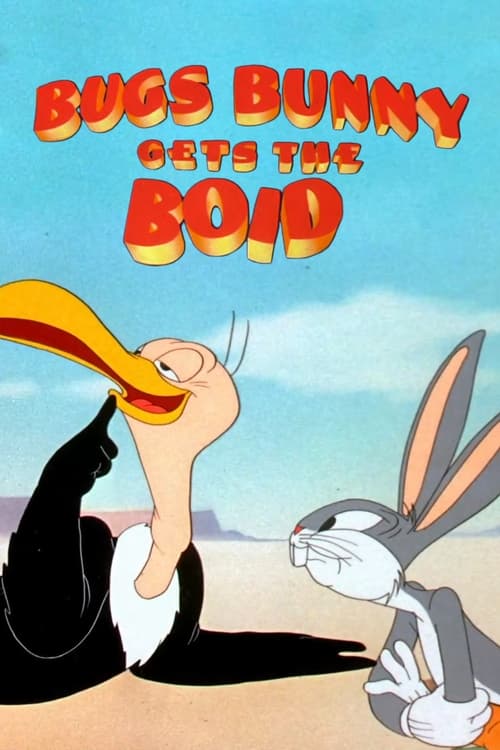
Bugs Bunny Gets the Boid is a product of the Golden Age of animation, prioritizing slapstick timing and kinetic energy over social commentary. The narrative relies on a predator-prey dynamic that reinforces a traditional view of natural order and familial expectations. While the film includes a maternal authority figure, it does not challenge established social hierarchies or introduce complex identity narratives. The work reflects the homogeneous character design and narrow thematic focus typical of early 1940s animation, focusing on survivalist comedy rather than progressive representation.
Category Breakdown
The film does not depict any non-binary gender identities or same-sex relationships. Characters are portrayed as animal archetypes within a standard comedic structure.
Mama Buzzard holds a position of authority but adheres to traditional maternal roles. The narrative focuses on domestic duties and survival skills without challenging gender hierarchies.
The cast consists entirely of animal characters set in a desert environment. There is no indication of racial or ethnic diversity or metaphorical representation.
The story centers on a basic biological hierarchy emphasizing survival. It does not engage with complex social, secular, or institutional critiques.
A shy buzzardling is exiled from the nest, which might suggest a struggle with social integration. However, this serves as a comedic plot device rather than a nuanced portrayal of neurodivergence.
Present on Screen
Limited or Absent
Official Synopsis
Mama Buzzard wants her children to learn to bring back meat for dinner. One buzzardling is shy and has to be kicked out of the nest. He's told to at least bring back a rabbit.
1945
1942
1954
1940
1945
1943
1949
1942
No reviews yet. Be the first to share your thoughts on this movie!
Use the rating form above to leave a star rating and optional review.