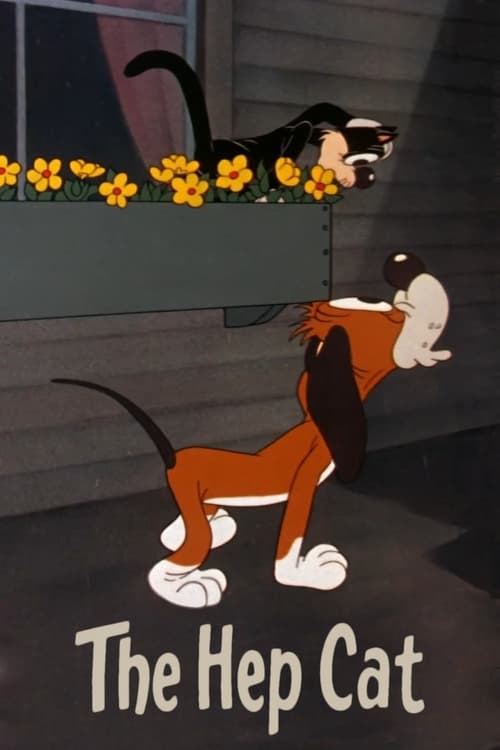
The Hep Cat
1942
No user ratings available yet
Diversity score: 1.6 out of 10
1944
NRDirector
Robert Clampett
Runtime
7 minutes
Average Rating
No ratings yetSynopsis
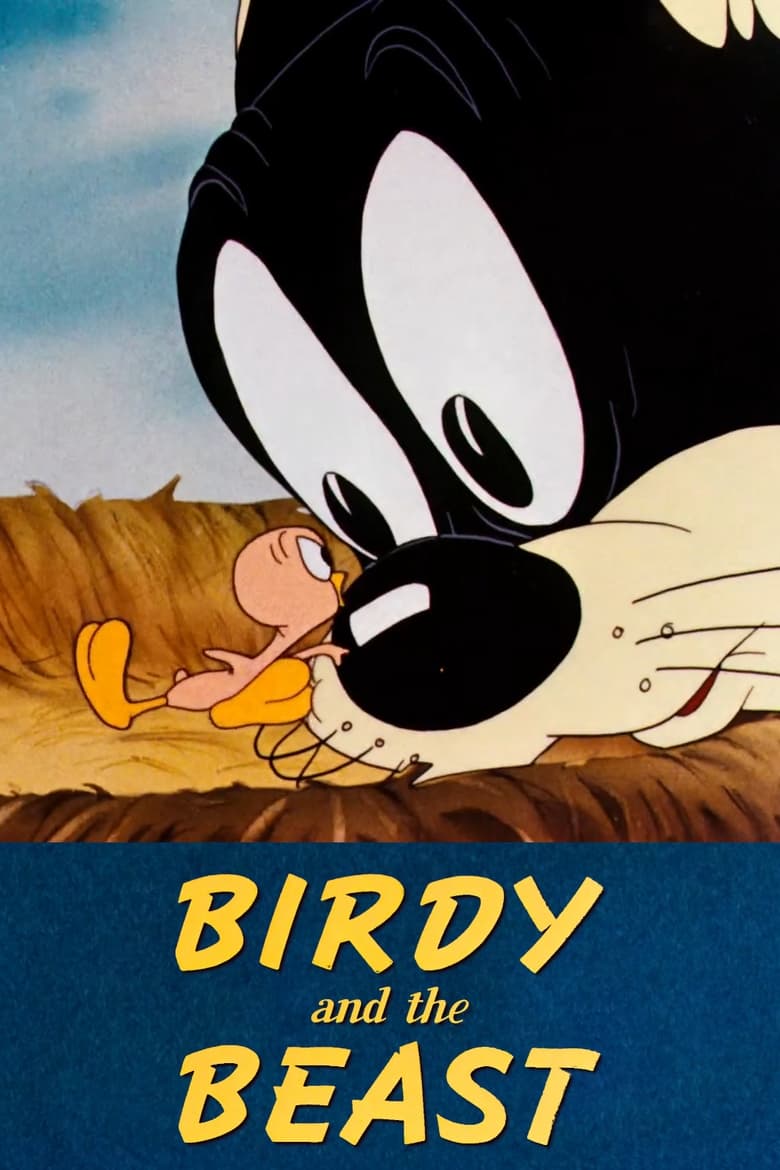
Tweety is set upon by a fat, jowly cat, who winds up with, among other things, a dozen eggs and a gallon of gasoline in his mouth instead of the little bird.
Overall Score
Limited
Category Breakdown
LGBTQ+ Representation
The narrative centers on a predatory-prey dynamic between Tweety and a feline antagonist. There is no evidence of queer subtext or non-cisnormative identities.
Gender Representation
The conflict between animal characters obscures gendered social hierarchies. The short lacks female-coded protagonists or meaningful subversion of traditional gender dynamics.
Racial & Ethnic Diversity
The story utilizes anthropomorphic animals for slapstick conflict. There is no evidence of a diverse cast or the deconstruction of racial tropes.
Religious & Cultural Diversity
The film prioritizes mid-century American slapstick over ideological critique. It focuses on kinetic, situational humor rather than exploring religious or cultural morality.
Disability Representation
The available information provides no detail regarding characters with physical or neurodivergent traits.
Strengths
Areas for Improvement
AI Analysis
Birdy and the Beast is a quintessential example of 1940s animation, prioritizing anarchic humor and surrealism over social complexity. The narrative architecture relies heavily on the classic predator versus prey trope, driven by physical chaos and slapstick violence. Because the film focuses on animal archetypes and kinetic comedy, it lacks the intersectional depth or systemic critique found in more progressive works. It adheres strictly to the conventional comedic structures of its era, offering entertainment through situational mayhem rather than character-driven social commentary.
1942
1938
1946
1944
1956
1946
1960
1956
1951
1955
1942
1944
No reviews yet. Be the first to share your thoughts on this movie!
Use the rating form above to leave a star rating and optional review.