The Captive: The Longest Drive 2
1976
No user ratings available yet
Diversity score: 3.2 out of 10
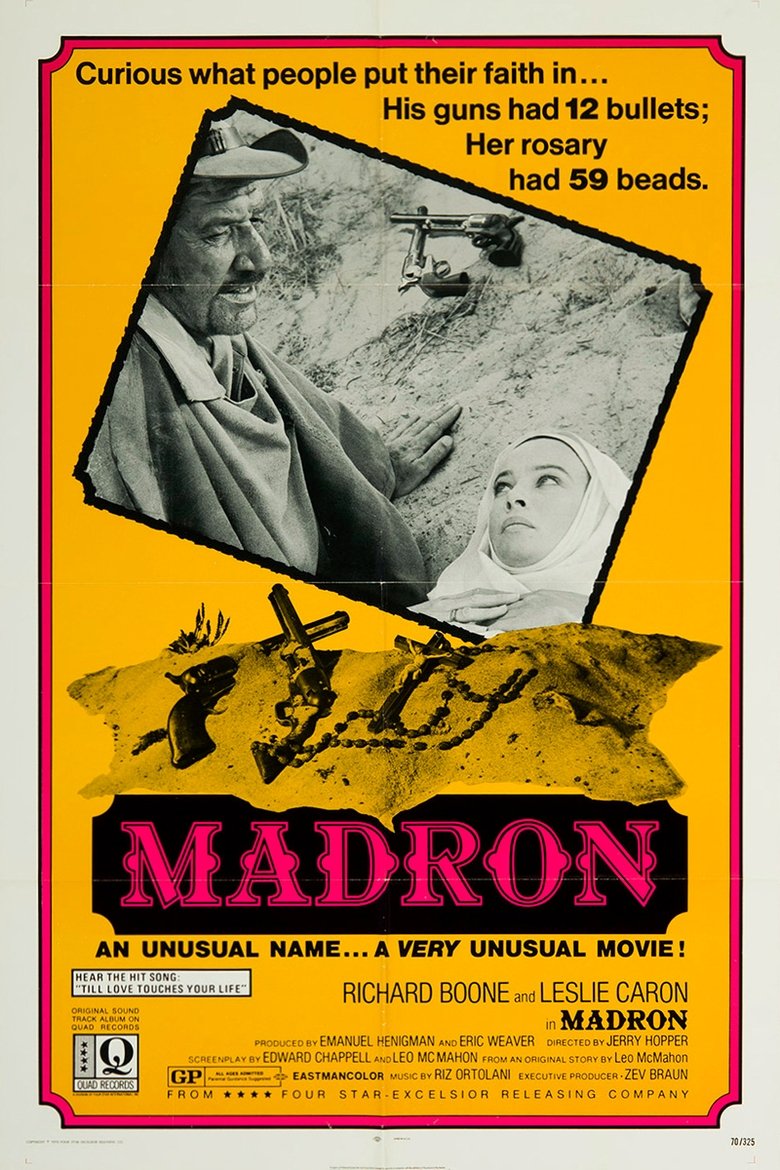
1970
GPDirector
Jerry Hopper
Runtime
90 minutes
Average Rating
No ratings yetSynopsis
A nun, the only survivor of an Indian massacre of a wagon train, is taken in by a cantankerous old gunfighter.
Overall Score
Limited
Category Breakdown
LGBTQ+ Representation
The film lacks LGBTQ+ characters or narratives. The central relationship follows a traditional, heteronormative structure between the religious lead and the male protagonist.
Gender Representation
A female survivor provides a central presence, yet the plot relies on a protector/protected dynamic. This framework risks reinforcing conventional 1970s gender hierarchies.
Racial & Ethnic Diversity
The narrative uses an 'Indian massacre' as a plot catalyst. This trope often relies on monolithic or stereotypical depictions of Indigenous peoples without nuanced development.
Religious & Cultural Diversity
The story is rooted in established religious frameworks through its protagonist. It adheres to traditional frontier morality and standard Western iconography.
Disability Representation
There is no information regarding the depiction of physical or neurodivergent disabilities in this film.
Strengths
Areas for Improvement
AI Analysis
Madron is a conventional 1970s Western that adheres strictly to the genre's established social and narrative constraints. It functions as a standard genre piece rather than a work that seeks to disrupt traditional hierarchies or offer complex character studies. The film relies heavily on familiar tropes, such as the protector/protected dynamic and racial conflict used as a simple plot driver. These elements suggest a lack of intentionality regarding intersectional depth or the subversion of Western archetypes.
1976
1968
1972
1966
2020
1973
1971

1965
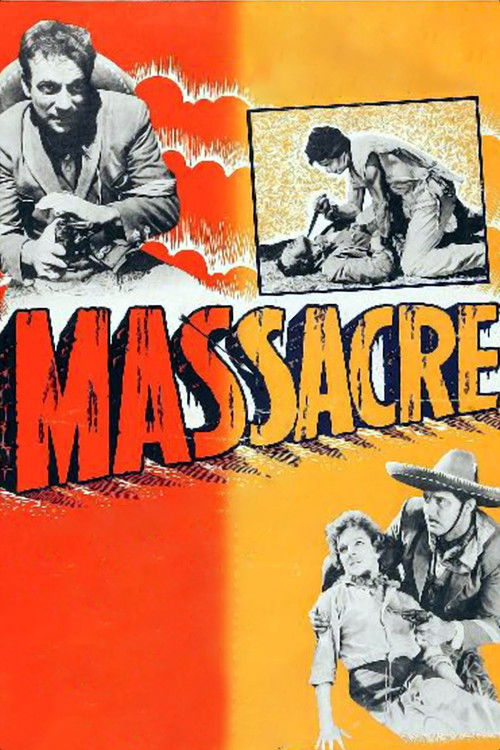
1956
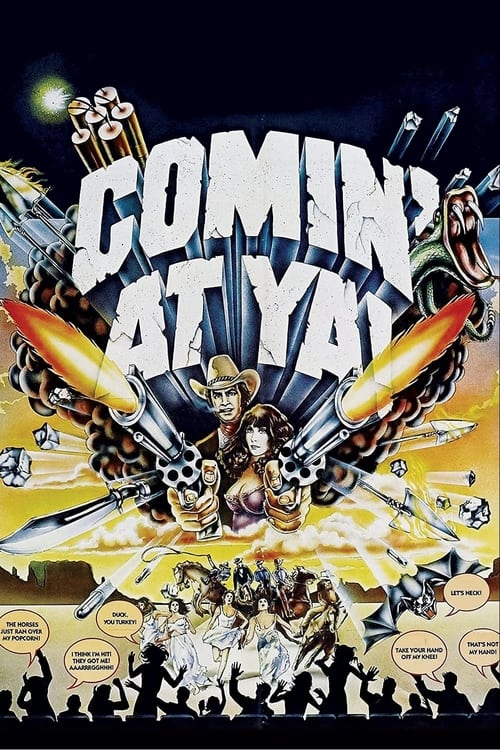
1981
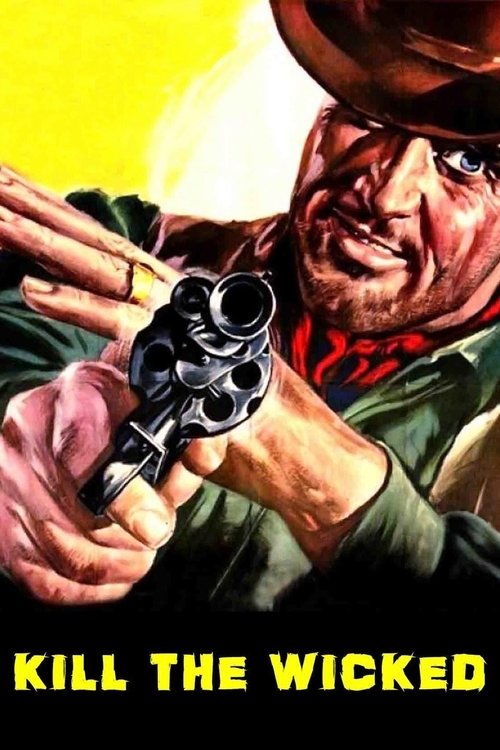
1967
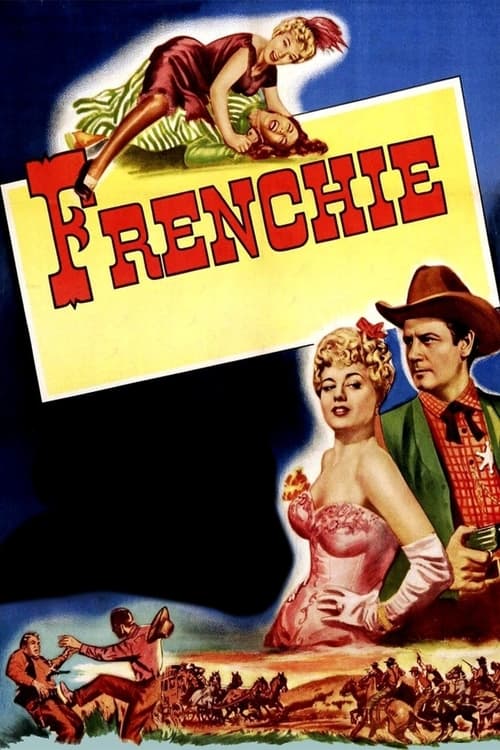
1950
No reviews yet. Be the first to share your thoughts on this movie!
Use the rating form above to leave a star rating and optional review.