Lupin the Third: Alcatraz Connection
2001
No user ratings available yet
Representation score: 4.9 out of 10
Representation Score
Fair
1994
UnratedDirector
Masaharu Okuwaki
Runtime
90 minutes
Average Rating
No ratings yetNew Showbiz Analysis
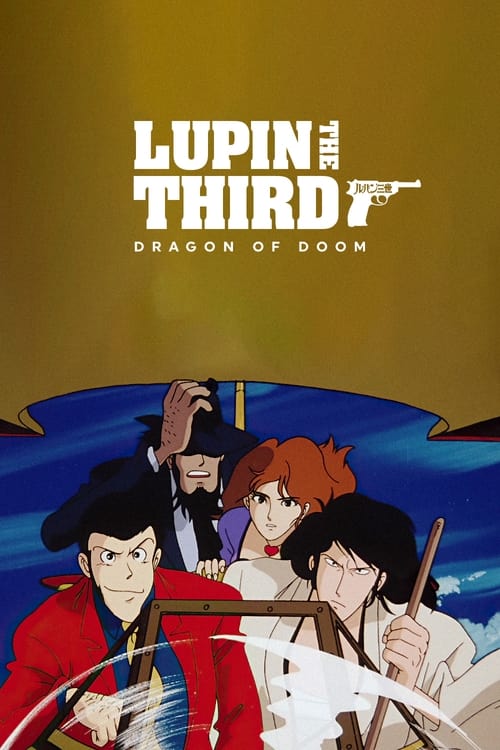
Lupin the Third: Dragon of Doom serves as a high-adventure story that heavily relies on established genre clichés. The narrative structure prioritizes a masculine-driven quest for a mysterious artifact over diverse character exploration. While the film successfully disrupts conventional morality by centering on anti-authoritarian protagonists, it lacks depth in representing multiple aspects of identity. The focus remains on the central ensemble's pursuit of the Zantetsuken mystery. Overall, the film provides a globalized adventure setting but stays within the confines of traditional character archetypes, offering moderate engagement with social norms through its subversion of institutional morality.
Category Breakdown
The film does not include explicit depictions of LGBTQ+ identities or relationships that go beyond the assumption that everyone is straight. The plot revolves around a treasure hunt with a central ensemble that does not feature any queer-coded subplots.
The story centers on a male-dominated group focused on pursuing power. Despite the franchise often featuring strong women, this installment highlights masculine pursuits.
The film's globalized setting involving the Titanic creates a cross-cultural narrative. However, the plot relies on established character types rather than making deliberate efforts to include diverse backgrounds.
The narrative challenges traditional moral frameworks by focusing on thieves and gangsters. It prioritizes situational ethics over strict adherence to legal or religious norms.
There is no information about the portrayal of visible or invisible disabilities within the provided narrative context.
Present on Screen
Limited or Absent
Official Synopsis
The Lupin gang is once again dragged onto a wild treasure hunt! This time, the objective is a mysterious, small dragon statue that even Goemon's steel-rendering blade Zantetsuken cannot cut. The artifact, which once eluded even Lupin the Third's esteemed grandfather, rests deep undersea inside the infamous Titanic, and is the key to unlocking the mystery of Zantetsuken's almighty strength. A wealthy gangster, Lupin, and Goemon all want the statue for themselves!
2001
1979
1999

2019
1991

2000
2002
2003
No reviews yet. Be the first to share your thoughts on this movie!
Use the rating form above to leave a star rating and optional review.