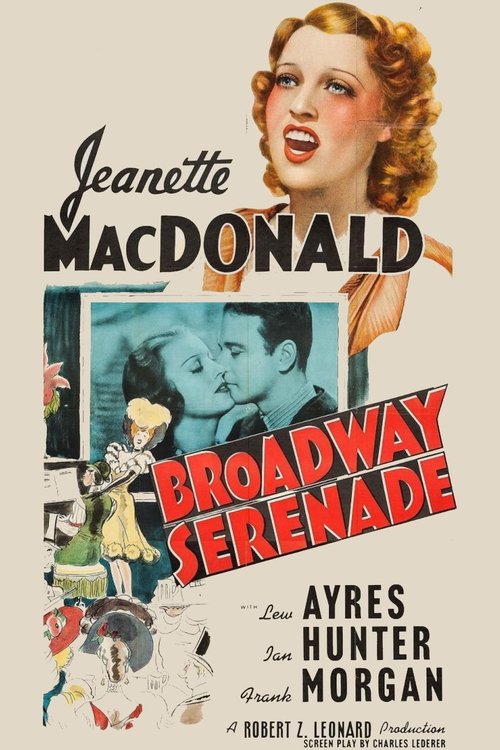
Broadway Serenade
1939
No user ratings available yet
Representation score: 0.6 out of 10
Representation Score
Minimal
1929
PassedDirector
A. Edward Sutherland, John Cromwell
Runtime
115 minutes
Average Rating
No ratings yetNew Showbiz Analysis
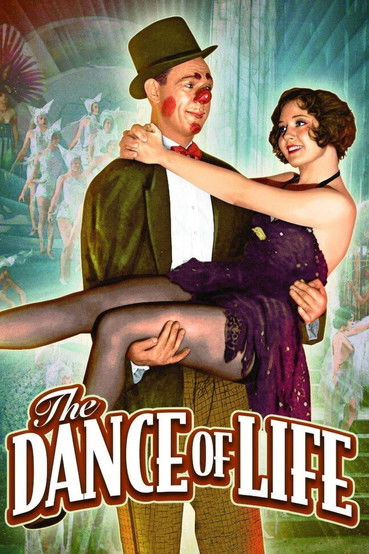
The Dance of Life is a period piece that mirrors the social and demographic constraints of 1929 cinema. It relies heavily on conventional romantic and class-based clichés common to the early sound era. While the film provides some ability to act to its female lead through her professional pursuits, it does not challenge traditional hierarchies. The narrative remains centered on the personal and professional struggles of a white, straight-centered cast. Ultimately, the film functions as a standard melodrama. It lacks the complexity or intentional disruption of systemic hierarchies necessary to move beyond its era's narrow social framework.
Category Breakdown
The film follows a traditional romantic storyline between a vaudeville comic and a dancer. It doesn't include non-binary or LGBTQ+ identities or narratives that challenge the assumption that everyone is straight.
The female lead embodies the flapper archetype, balancing professional success with social respectability. However, her power is tied to the male lead's professional success and ego.
The cast and setting are predominantly homogeneous, reflecting 1929 Hollywood standards. Characters of color don't have significant roles in the story.
The story focuses on socioeconomic distinctions between performers and the social elite. It reinforces period-specific values regarding social reputation and professional advancement.
There is no representation of physical, sensory, or neurodivergent identities within the film's narrative structure.
Present on Screen
Limited or Absent
Official Synopsis
A vaudeville comic and a pretty young dancer aren't having much luck in their separate careers, so they decide to combine their acts. In order to save money on the road, they get married. Soon their act begins to catch on, and they find themselves booked onto Broadway. They also realize that they actually are in love with each other, but just when things are starting to look up, the comic starts to let success go to his head.
1939

1936
1934
1937
1929
1935
1929
1948
No reviews yet. Be the first to share your thoughts on this movie!
Use the rating form above to leave a star rating and optional review.