
Tell Your Children
1938
No user ratings available yet
Representation score: 1.0 out of 10
Representation Score
Limited
1951
Runtime
10 minutes
Average Rating
No ratings yetNew Showbiz Analysis
The film operates as a didactic social problem piece that upholds mid-century Western institutional norms. By centering a male authority figure as the arbiter of truth, the narrative prioritizes the maintenance of social hierarchies over systemic critique. Instead of addressing the complexities of addiction, the story frames social issues as external threats to national stability. This approach fosters a patriotic, traditionalist framework that views non-conformity as a threat to the state. Ultimately, the film lacks meaningful representation across most diversity metrics, choosing instead to uphold the status quo through a narrow, Western-centric lens.
Category Breakdown
The film does not include any LGBTQ+ characters or non-assuming gender matches what was assigned at birth identities. It focuses solely on youth addiction and political influence.
A male judge leads the investigation and provides the moral conclusion. While Phyllis gives a testimonial, she is portrayed as a cautionary example rather than an active participant.
The story features a homogeneous cast focused on a domestic American issue. It highlights national morale against foreign influence, suggesting a uniform perspective.
The film promotes traditionalist, anti-communist values. It portrays drug use as a Soviet plot to destabilize society rather than a systemic socioeconomic issue.
Phyllis's struggle with addiction is shown as a cautionary tale. There is no detailed exploration of neurodivergence or physical disability.
Present on Screen
Limited or Absent
Official Synopsis
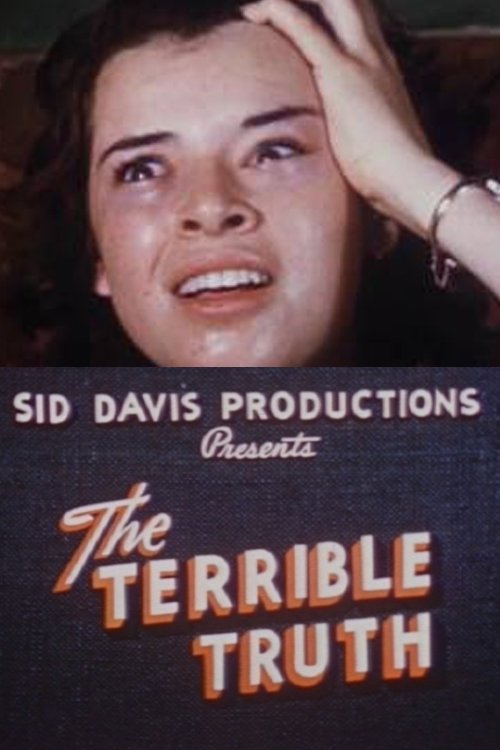
A Juvenile Court judge is at a loss to understand why so many of America's youths are marijuana addicts, so he decides to investigate on his own. He visits Phyllis, a high school senior and former heroin junkie, who tells him about the horrible effects heroin has had on her. She managed to overcome her addiction to marijuana and heroin, but in the process ruined her hair. This leads the judge to the logical conclusion that the drug problem in the U.S. was introduced by Soviet Communists in an effort to undermine morale and that the way to stop the drug epidemic was to "use common sense".
1938

1955

1967
1958

1936
1949

1969

1972
No reviews yet. Be the first to share your thoughts on this movie!
Use the rating form above to leave a star rating and optional review.