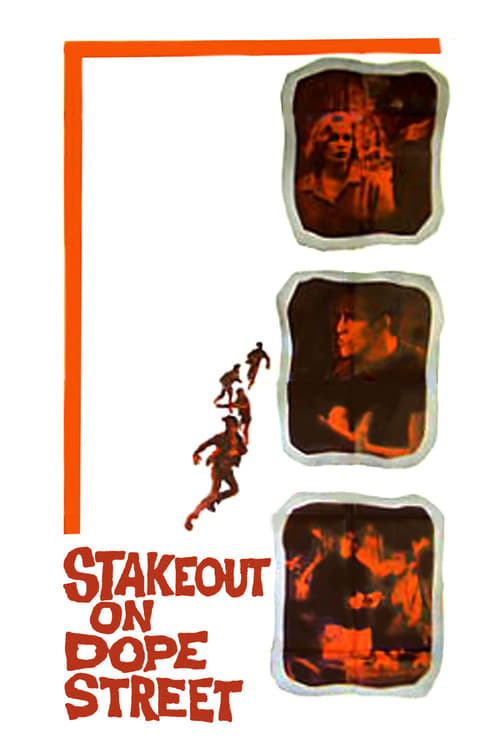
Stakeout on Dope Street
1958
No user ratings available yet
Representation score: 2.3 out of 10

Representation Score
Minimal
1936
Not RatedDirector
Dwain Esper
Runtime
57 minutes
Average Rating
No ratings yetNew Showbiz Analysis
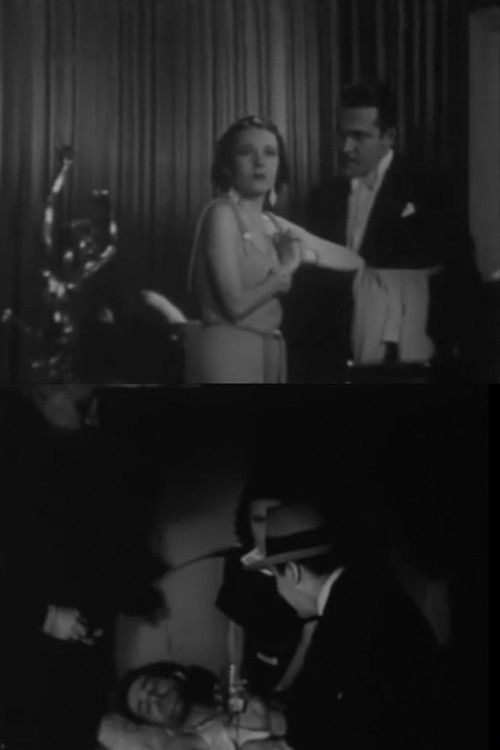
Marihuana (1936) operates as a cautionary tale reinforcing mid-20th century moral standards. Instead of developing complex characters, the narrative uses the story to support existing laws and social norms. The film leans heavily on the clichés of its time, especially concerning gender and race. It portrays a world where straying from traditional social structures results in disastrous personal outcomes, using the plot to promote social order. Overall, the film fails to explore diverse identities and moral complexities. It focuses on maintaining the status quo, using gender and racial vulnerabilities to symbolize social decay and moral failure.
Category Breakdown
The film does not include any visible LGBTQ+ characters or identities outside of traditional heterosexual relationships. All interpersonal dynamics are strictly between opposite-sex couples.
Female characters are portrayed as vulnerable and morally unstable. The protagonist's downfall follows the 'fallen woman' stereotype, where deviating from societal norms leads to ruin.
The cast is primarily white and employs racial stereotypes typical of 1930s exploitation cinema. Criminal behavior is associated with urban settings using outdated racial biases.
The story adheres to conventional Western values, presenting drug use as a threat to family and national stability. It upholds a strict moral code.
There is no representation of physical or neurodivergent disabilities. Characters are defined by their social and moral standing rather than any form of disability.
Present on Screen
Limited or Absent
Official Synopsis
A young girl named Burma attends a beach party with her boyfriend and after she smokes marijuana with a bunch of other girls, she gets pregnant and another girl drowns while skinny dipping in the ocean. Burma and her boyfriend go to work for the pusher in order to make money so they can get married. However, during a drug deal her boyfriend is killed leaving Burma to fend for herself. Burma then becomes a major narcotics pusher in her own right after giving up her baby for adoption.
1958

2020
1936

2008

1931

2014

1968
1992
No reviews yet. Be the first to share your thoughts on this movie!
Use the rating form above to leave a star rating and optional review.