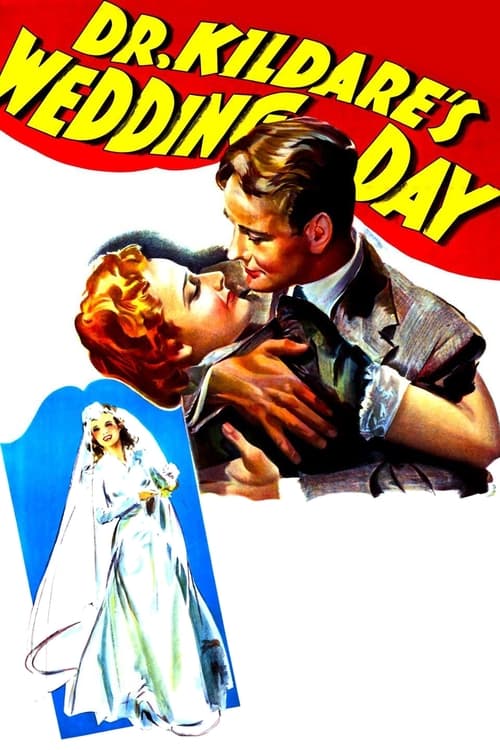
Dr. Kildare's Wedding Day
1941
No user ratings available yet
Diversity score: 2.5 out of 10

1939
NRDirector
Harold S. Bucquet
Runtime
84 minutes
Average Rating
No ratings yetSynopsis
Intern Kildare heals a millionaire's daughter and tricks Dr. Gillespie into taking a vacation.
Overall Score
Limited
Category Breakdown
LGBTQ+ Representation
The film adheres to the heteronormative social structures of the late 1930s. There is no evidence of non-cisnormative gender identities or same-sex intimacy.
Gender Representation
Female characters are central to the plot, yet their agency is largely defined by their relationships to male protagonists. The film maintains a patriarchal structure by centering male medical leadership.
Racial & Ethnic Diversity
The cast is largely homogeneous, reflecting the systemic lack of intersectional representation common in 1930s studio casting. There is a lack of significant racial or ethnic diversity among the medical staff.
Religious & Cultural Diversity
The narrative reinforces the legitimacy of Western medical institutions and professional authority. It celebrates the competence of the professional class rather than deconstructing established social hierarchies.
Disability Representation
Characters with disabilities appear primarily as subjects of medical inquiry. They serve as catalysts for the protagonists' development rather than as agents with independent autonomy.
Strengths
Areas for Improvement
AI Analysis
The film functions as a quintessential mid-century professional drama, prioritizing traditional authority and social order. Its narrative architecture reinforces the established hierarchies of the 1930s rather than challenging them. Representation is limited by the era's systemic norms, resulting in a homogeneous cast and a patriarchal medical environment. While the plot involves patient care, it relies on conventional tropes regarding vulnerability and professional competence.
1941
1940
1940
1939
1938
1940
1930
1923
1932
1940

1946
1932
No reviews yet. Be the first to share your thoughts on this movie!
Use the rating form above to leave a star rating and optional review.