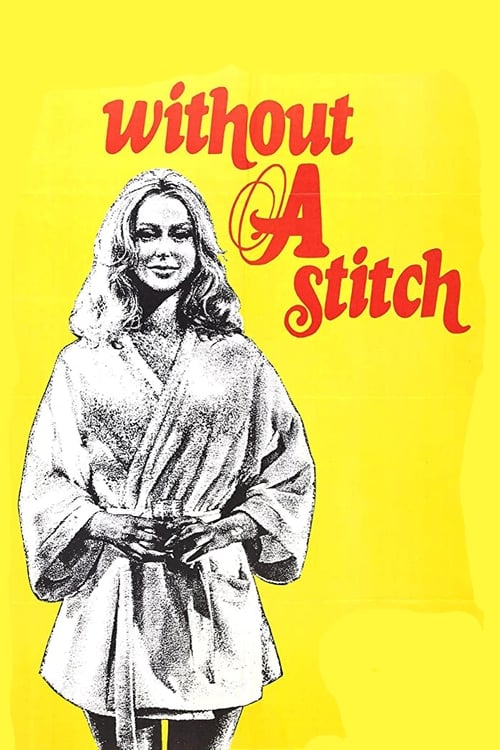
Without a Stitch
1968
No user ratings available yet
Representation score: 5.5 out of 10
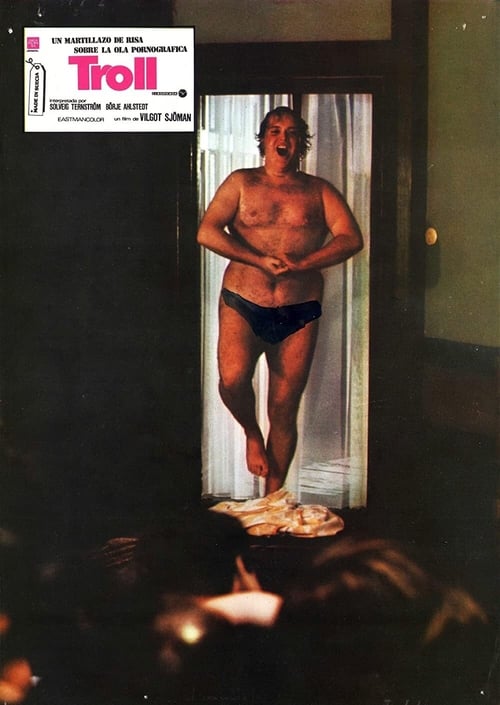
Representation Score
Fair
1971
XDirector
Vilgot Sjöman
Runtime
99 minutes
Average Rating
No ratings yetNew Showbiz Analysis
Vilgot Sjöman’s work serves as a provocative critique of traditional social and sexual structures. By focusing on a couple's inability to consummate their relationship, the film challenges the sanctity of the marriage contract and questions the stability of the nuclear family. The film's strength lies in its intellectual subversion of Western institutional norms. It moves away from singular moral imperatives, opting instead for a complex, situational approach to human intimacy and social obligations. However, the film remains limited in its breadth of identity representation. While it deconstructs social mores, it lacks specific focus on racial diversity or explicit LGBTQ+ identities, remaining rooted in a specific European cultural context.
Category Breakdown
While the film does not explicitly depict queer identities, it explores themes of sexual liberation that hint at a deconstruction of traditional heterosexual norms.
The film disrupts conventional gender roles by focusing on psychological and physical frustration, avoiding the typical portrayal of a stable provider.
The film centers on a localized, homogeneous social setting and does not include a multi-ethnic cast, focusing instead on Western European cultural anxieties.
The film prioritizes secularism and subjective morality over religious frameworks, critiquing traditional social contracts by portraying the nuclear family as a site of tension.
There is no evidence regarding the inclusion of characters with visible or invisible disabilities within the narrative.
Present on Screen
Limited or Absent
Official Synopsis
This Swedish sex-comedy/drama explores the complications in the relationship of a couple who believe that if they make love to each other, they will die. They neck and are physically affectionate in public as well as in private, but have a big taboo against sexual consummation. Their situation drives them to distraction, and they unsuccessfully seek various extramarital outlets for their frustrations.
1968

1969
1973
1930

1970
1969
1972
2002
No reviews yet. Be the first to share your thoughts on this movie!
Use the rating form above to leave a star rating and optional review.