Diary of a Mad Housewife
1970
No user ratings available yet
Representation score: 5.9 out of 10
Representation Score
Limited
1971
PGDirector
Alvin Rakoff
Runtime
96 minutes
Average Rating
No ratings yetNew Showbiz Analysis
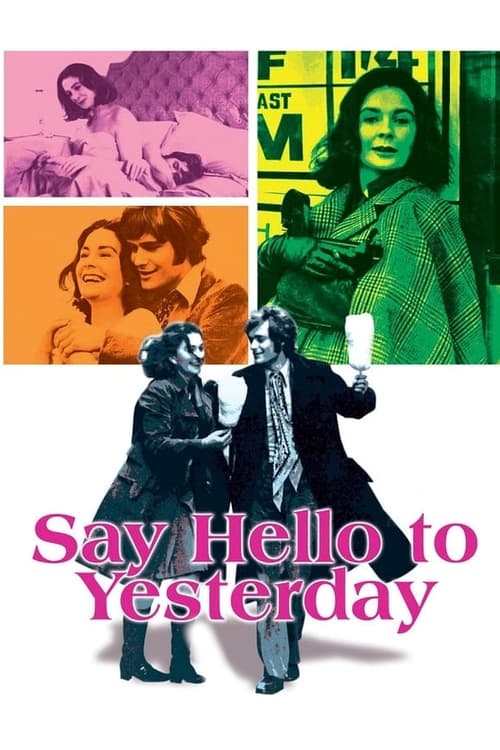
Say Hello to Yesterday functions as a character study of individual ability to act within a traditional social framework. It offers a moderate subversion of gendered domestic expectations by allowing a female protagonist to dictate the plot's direction through her own desires. However, the film remains largely constrained by the demographic and social homogeneity typical of its era. The focus on a suburban British setting suggests a lack of racial and ethnic diversity. While the film explores themes of subjective morality and the breakdown of marriage, it lacks representation for LGBTQ+ identities and characters with disabilities.
Category Breakdown
The film focuses on heterosexual relationships and does not include any LGBTQ+ characters or non-assuming gender matches what was assigned at birth identities. There is no evidence of characters who reflect more than one aspect of diversity.
The story challenges traditional gender roles by centering on a housewife's active role. The female protagonist drives the plot through her own desires rather than remaining a passive domestic figure.
Set in suburban Britain, the film appears to adhere to the homogeneous social structures of 1971. There is no evidence of diverse casting or multi-layered character development.
The narrative explores moral relativism by deconstructing the traditional nuclear family. It moves away from religious frameworks to embrace a more secular approach to personal liberation.
There is no mention of characters with visible or invisible disabilities in the provided context.
Present on Screen
Limited or Absent
Official Synopsis
Approaching middle-age and stuck in an unfulfilled marriage, a suburban British housewife allows herself a sexual fling with a brash young hunk she meets on a commuter train.
1970
1969

1970
1970

1992
1981
1970
1971
No reviews yet. Be the first to share your thoughts on this movie!
Use the rating form above to leave a star rating and optional review.