Cool It, Carol!
1970
No user ratings available yet
Representation score: 4.8 out of 10
Representation Score
Fair
1973
Director
Herbert Wise
Runtime
88 minutes
Average Rating
No ratings yetNew Showbiz Analysis
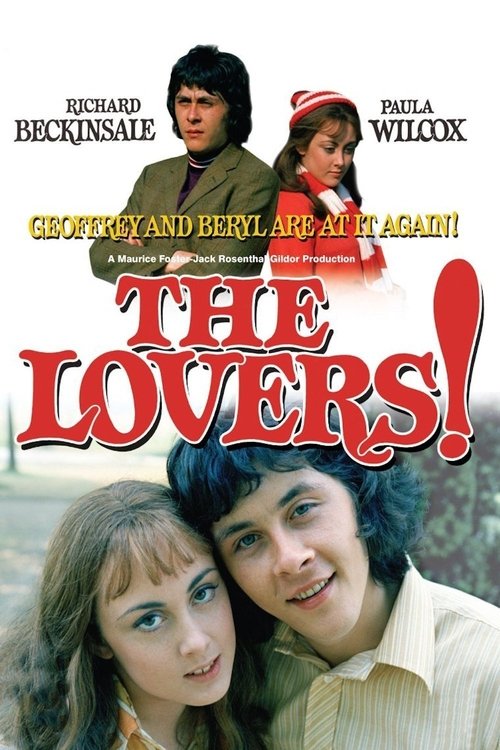
The film serves primarily as a character study of social change during the 1970s. Its strength lies in deconstructing the 'ideal' romantic partnership through realistic, clumsy human interactions. However, the work lacks diverse representation. The narrative centers on a specific, culturally localized British experience that does not include LGBTQ+, racial, or disability representation. Ultimately, while it offers a progressive challenge to traditional gender power dynamics, the narrow scope of its social environment limits its overall diversity impact.
Category Breakdown
The film focuses solely on a heterosexual relationship and does not include LGBTQ+ characters or explore non-cisgender identities, sticking to a framework that assumes everyone is straight.
The story challenges traditional masculinity by showing the male lead as hesitant and incompetent. Beryl stands out by resisting submissive behavior and confronting unwanted advances.
The film depicts a uniform social setting typical of mid-century British domestic comedies. There is no indication of a multi-ethnic cast or actors playing roles outside their traditional background.
The story critiques traditional social structures by highlighting the awkwardness of modern dating. It emphasizes individual emotional experiences over strict adherence to old social rules.
There are no characters with visible or invisible disabilities in the film. The narrative focuses on the social anxieties of the main couple without addressing any disabilities.
Present on Screen
Limited or Absent
Official Synopsis
Reprising the television series roles which first made them household names, Richard Beckinsale and Paula Wilcox star as Geoffrey Scrimshaw and Beryl Battersby, a hesitant, inexperienced, young couple attempting to negotiate the sexual minefield of the ‘permissive’ society. This big-screen transfer of Jack Rosenthal’s hugely likeable sitcom sees old-fashioned girl Beryl continuing to slap down the advances of her frustrated boyfriend, whose clumsy attempts to initiate ‘Percy Filth’ suggest he’s not quite up to speed himself! Like everyone else, Geoffrey and Beryl want to fall in love – or they think they do; like everyone else, since Adam and Eve. But Adam and Eve didn’t live in Manchester in 1972…
1970
1969
1964
1989
1971
1980
1966
1970
No reviews yet. Be the first to share your thoughts on this movie!
Use the rating form above to leave a star rating and optional review.