
Perdición de mujeres
1951
No user ratings available yet
Representation score: 3.2 out of 10
Representation Score
Minimal
1963
Director
Brandon Chase
Runtime
82 minutes
Average Rating
No ratings yetNew Showbiz Analysis
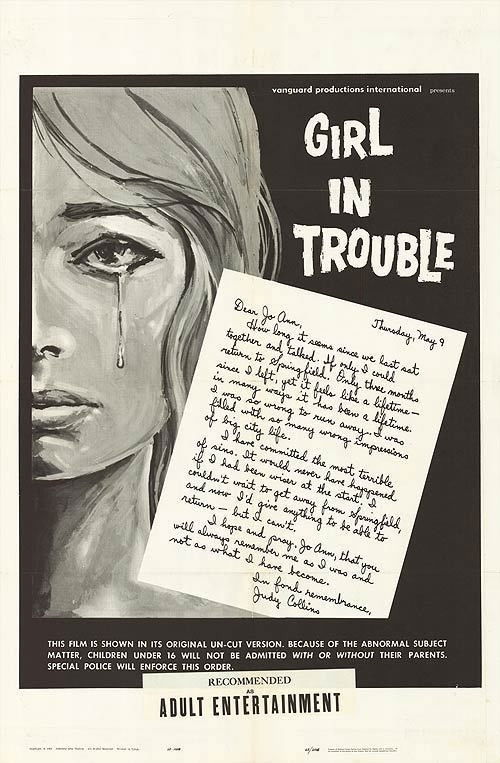
Girl in Trouble is a product of the early 1960s sexploitation genre, prioritizing commercial formulas over social critique. The narrative centers on a cautionary tale of moral descent, reinforcing the era's conventional social norms. The film lacks depth in representing diverse identities, focusing instead on reinforcing traditional moral frameworks. It offers little representation for LGBTQ+ individuals, diverse racial groups, or people with disabilities. Ultimately, the film upholds traditional moral hierarchies rather than challenging systemic power dynamics or exploring diverse identities.
Category Breakdown
The film does not include explicit LGBTQ+ characters or narratives that challenge the assumption that everyone is straight or cisgender. Instead, it focuses on a protagonist's descent into urban degeneracy, using common clichés from 1960s sexploitation films.
The narrative follows a 'fallen woman' cliché that diminishes the female protagonist's role in driving the story. She gains economic independence as a stripper, but the film portrays this negatively.
The film seems to follow the homogeneous casting practices typical of 1960s American genre cinema. There are no characters of color or diverse backgrounds represented.
The story uses a moralistic framework that portrays the city as a place of degeneracy and perverts, reinforcing traditional social orders rather than promoting pluralistic values.
There are no characters with visible or invisible disabilities featured in the film.
Present on Screen
Limited or Absent
Official Synopsis
Bored farmer's daughter sets out to make it in the big city. She gets mixed up with freaks, perverts and degenerates and winds up a stripper in New Orleans.
1951
1964

1958
1970

1933

1962
1950

1968
No reviews yet. Be the first to share your thoughts on this movie!
Use the rating form above to leave a star rating and optional review.