
Conquest of Space
1955
No user ratings available yet
Representation score: 0.4 out of 10
Representation Score
Minimal
1953
ApprovedDirector
Richard Talmadge
Runtime
63 minutes
Average Rating
No ratings yetNew Showbiz Analysis
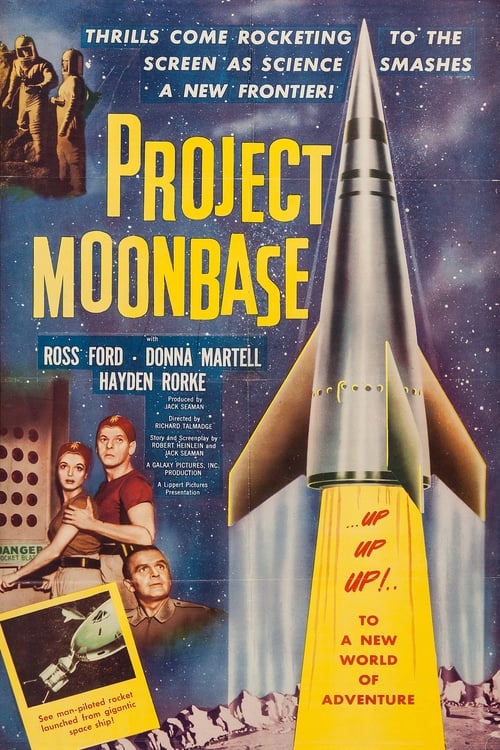
Project Moon Base operates within the conventional constraints of 1950s genre filmmaking. The film prioritizes established Western social and structural norms, focusing on a US-led mission to the moon. The narrative lacks elements reflecting multiple aspects of identity, favoring traditional hierarchies and nationalistic themes. It reflects the mid-century cinematic landscape by centering Western technological progress and homogeneous casting. Overall, the film serves as a time capsule of 1953 social standards, offering little in the way of progressive representation or social subversion.
Category Breakdown
The film does not include any non-binary gender identities or same-sex relationships, reinforcing the assumption that everyone is straight or cisgender. It aligns with the straight-centered structures typical of 1953 science fiction.
The narrative likely upholds traditional gender hierarchies. Female characters do not demonstrate superior intellect or challenge masculine leadership roles.
The US-led lunar mission likely features a predominantly white cast. The story centers on Western technological exceptionalism without any indication of diverse casting.
The premise focuses on patriotism and Western institutional competence. It promotes mid-century values and nationalistic achievement without critiquing these institutions.
There is no information regarding the inclusion or portrayal of characters with physical or neurodivergent disabilities.
Present on Screen
Limited or Absent
Official Synopsis
In the future (1970) the US sends a mission to the moon to investigate the building of a moon base.
1955

1929

1953

1963

1940

1951

1956

1957
No reviews yet. Be the first to share your thoughts on this movie!
Use the rating form above to leave a star rating and optional review.