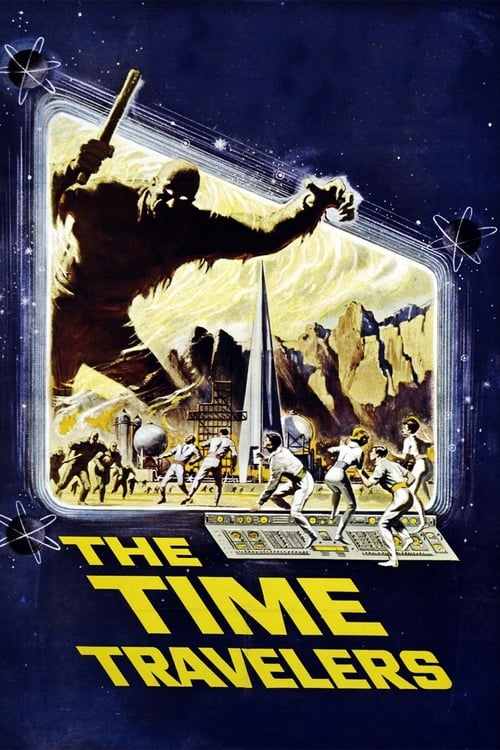
The Time Travelers
1964
No user ratings available yet
Representation score: 4.1 out of 10
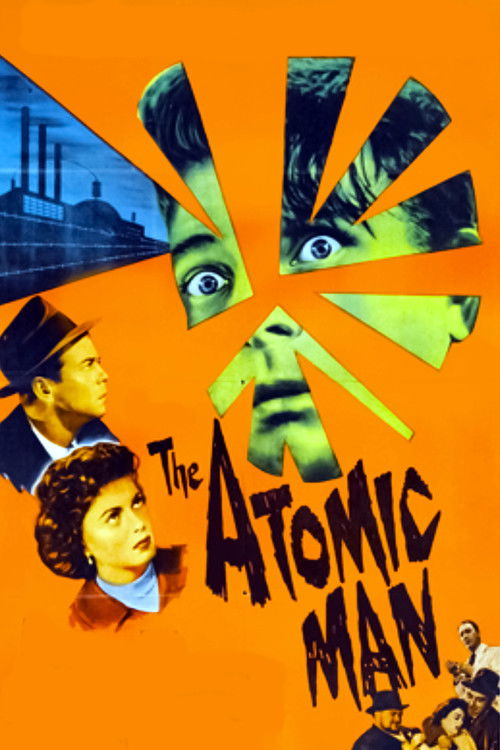
Representation Score
Minimal
1955
NRDirector
Ken Hughes
Runtime
93 minutes
Average Rating
No ratings yetNew Showbiz Analysis
Timeslip is a mid-century science fiction thriller that centers on the mechanics of time travel. The narrative focuses on a singular, homogeneous perspective typical of its era, emphasizing scientific mystery and individual struggle. Although the film includes a female reporter, she mainly supports the plot rather than having her own independent role. The protagonist's unique condition is presented as a physics problem rather than a nuanced exploration of lived experience. Overall, the film adheres to the conventional storytelling and casting standards of 1955, offering little in the way of diverse representation or critical examination of social issues.
Category Breakdown
The film does not include any LGBTQ+ characters or stories. The interpersonal relationships focus solely on the protagonist's journey through time and the main plot conflict.
The story is driven by the male protagonist and his double. A female reporter assists him, but her role is limited to supporting the plot rather than having her own independent ability to act.
The cast is predominantly white, reflecting the typical Anglo-Saxon makeup of British cinema from 1955. There is no significant racial diversity among the main characters.
The narrative follows traditional Western themes, emphasizing scientific discovery and societal order. It does not critique Western institutions or challenge social norms.
The protagonist's condition of being displaced in time is used as a scientific plot device. It is treated as a puzzle to solve rather than a lived experience of disability.
Present on Screen
Limited or Absent
Official Synopsis
An atomic scientist is found floating in a river with a bullet in his back and a radioactive halo around his body. The radioactivity has put him seven-and-a-half seconds ahead of us in time. He teams up with a reporter to stop his evil double from destroying his experiments in artificial tungsten.
1964

1951
1960
1955
1954
1940
1968
1969
No reviews yet. Be the first to share your thoughts on this movie!
Use the rating form above to leave a star rating and optional review.