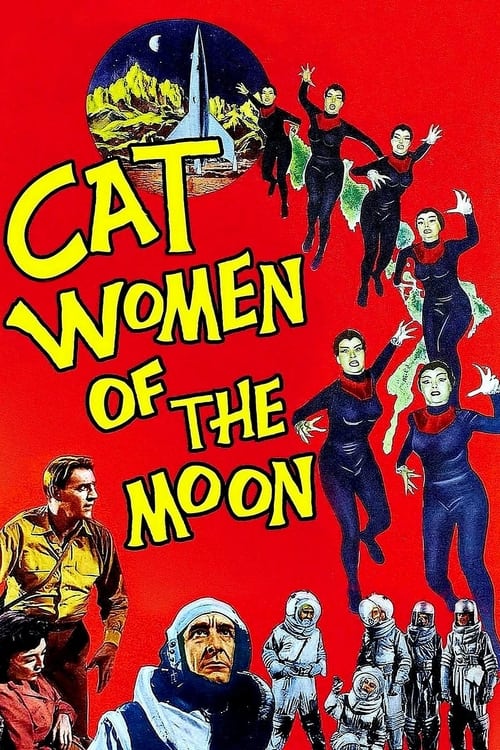
Cat-Women of the Moon
1953
No user ratings available yet
Representation score: 2.5 out of 10
Representation Score
Minimal
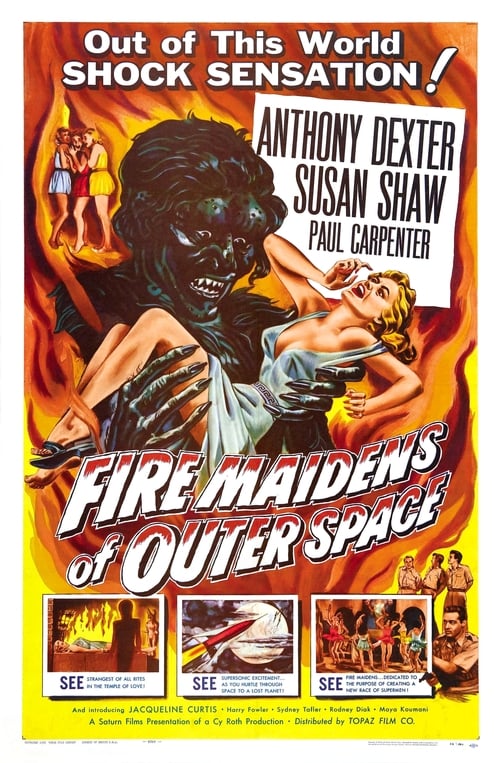
1956
NRDirector
Cy Roth
Runtime
80 minutes
Average Rating
No ratings yetNew Showbiz Analysis
Fire Maidens of Outer Space presents a unique genre exploration that challenges traditional gender roles while still being confined by the demographic norms of its time. By placing female characters at the forefront and giving them a significant role in driving the story, the film offers a progressive shift from the patriarchal themes common in 1950s science fiction. However, this progressiveness is limited. The film lacks meaningful representation for LGBTQ+ individuals, diverse racial identities, and characters with disabilities, sticking closely to the era's standard white-centric casting practices.
Category Breakdown
The film does not include any LGBTQ+ characters or non-cisgender identities. Its social structures are strictly binary and centered around biological reproduction.
The story breaks away from mid-century norms by focusing on a matriarchal society where female characters play a key role in driving the narrative towards ensuring their species' survival.
The production follows typical 1950s casting practices with a predominantly white cast. There is no indication of diverse racial or cultural backgrounds.
The depiction of a foreign matriarchal culture offers a slight deviation from Western-centric norms. However, it does not significantly challenge Western viewpoints or promote secular ideas.
The film does not feature any characters with visible or invisible disabilities. It does not address neurodivergence or physical impairments.
Present on Screen
Limited or Absent
Official Synopsis
An astronaut and crew land on Jupiter's 13th moon and find a monster and women from Atlantis.
1953
1964
1958

1966
1958

1968
1961

1954
No reviews yet. Be the first to share your thoughts on this movie!
Use the rating form above to leave a star rating and optional review.