
Mr. Belvedere Goes to College
1949
No user ratings available yet
Diversity score: 2.3 out of 10
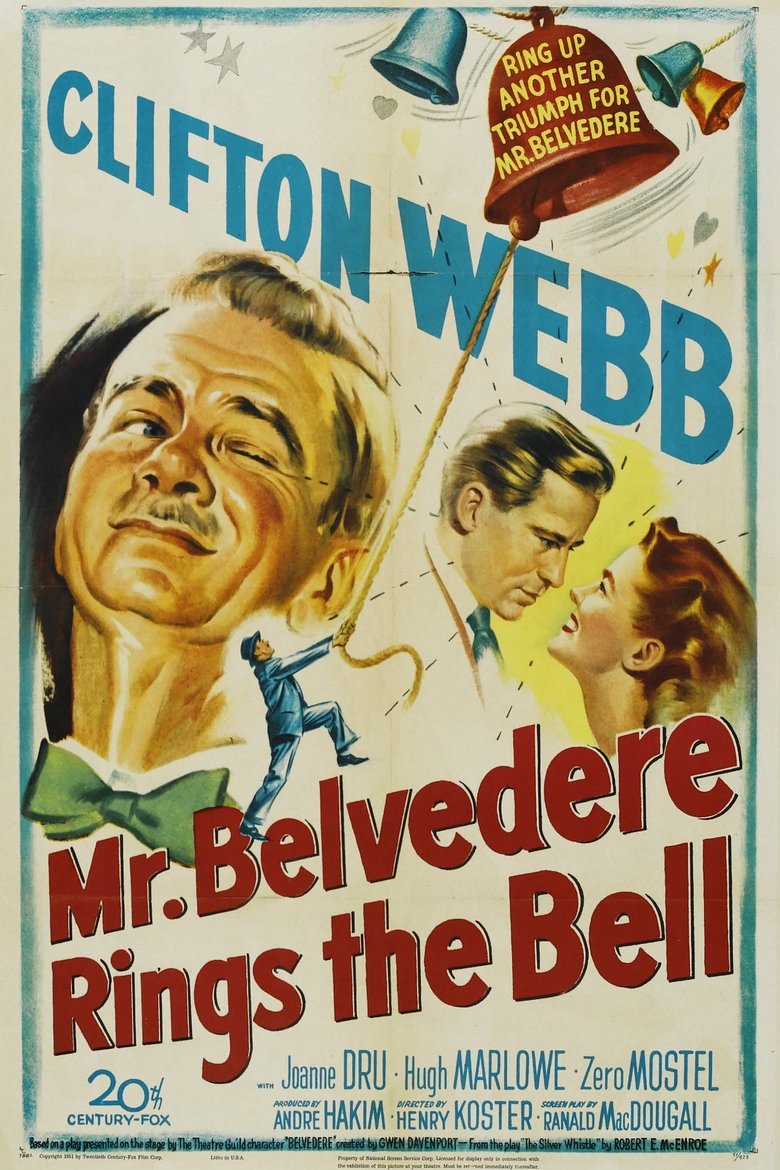
1951
NRDirector
Henry Koster
Runtime
87 minutes
Average Rating
No ratings yetSynopsis
Posing as a man over 70, a lecturer (Clifton Webb) enters an old-folks home to prove age is a state of mind.
Overall Score
Limited
Category Breakdown
LGBTQ+ Representation
The film follows conventional 1950s social structures. There are no visible LGBTQ+ characters or narratives that critique heteronormativity.
Gender Representation
The story centers on a male protagonist's deception. While it challenges biological views on aging, it does not subvert traditional gender hierarchies.
Racial & Ethnic Diversity
The production reflects the homogeneous casting typical of 1951. There is no evidence of a diverse cast or intersectional character depth.
Religious & Cultural Diversity
The narrative operates within mid-century Western social mores. It focuses on traditional institutions rather than disruptive or secularist themes.
Disability Representation
The film explores physical decline through the lens of aging. However, it lacks characters with neurodivergence or visible disabilities possessing high agency.
Strengths
Areas for Improvement
AI Analysis
Mr. Belvedere Rings the Bell is a product of the 1951 studio system, prioritizing character-driven comedy over social commentary. The narrative focuses on an individualistic philosophical inquiry regarding age, which limits its scope for broader identity-based representation. The film adheres strictly to the era's standard social and racial hierarchies. It lacks the necessary architecture to challenge systemic norms or provide meaningful intersectional perspectives. Ultimately, the film serves as a traditional mid-century comedy that remains within the bounds of conventional social structures.
1949
1941
1953
1943
2017
1938
1952
1960
1936

1944
1946
1943
No reviews yet. Be the first to share your thoughts on this movie!
Use the rating form above to leave a star rating and optional review.