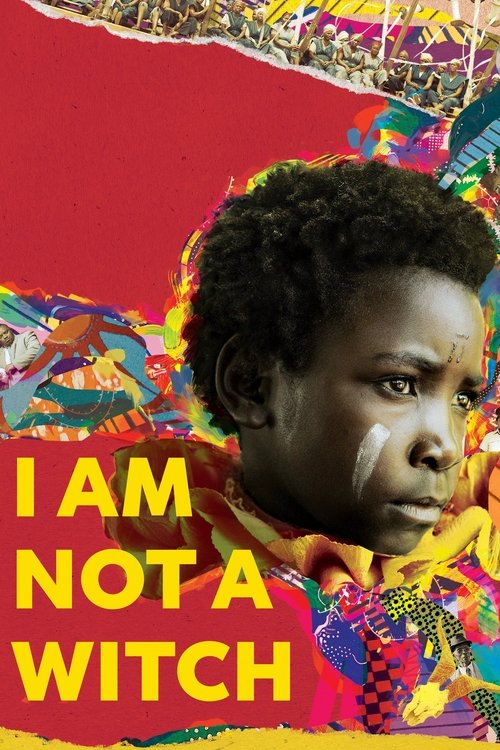
I Am Not a Witch
2017
No user ratings available yet
Representation score: 8.1 out of 10
Representation Score
Good
2013
PG-13Director
Noaz Deshe
Runtime
115 minutes
Average Rating
No ratings yetNew Showbiz Analysis
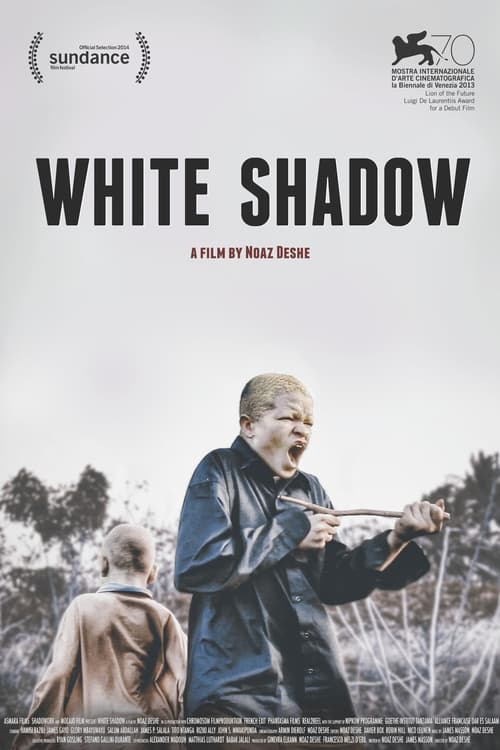
White Shadow is a powerful examination of systemic displacement that centers a underrepresented individual rather than relying on including someone from a minority group without giving them real depth. By placing an African immigrant at the heart of a Western metropolis, the film disrupts conventional cinematic gazes and explores the precarious existence of the outsider. The narrative effectively uses the protagonist's status to critique the stability of Western institutions. It portrays bureaucratic systems as rigid structures that necessitate a 'shadow' class of people. While the film excels in critiquing racial and cultural issues, it lacks specific representation for LGBTQ+ identities and explicit disability narratives. It remains a gritty, realistic exploration of multi-layered struggle and resilience.
Category Breakdown
The film does not include any LGBTQ+ characters or storylines. The narrative centers on the protagonist's survival and his interactions with socio-legal barriers.
Gender dynamics play a secondary role to themes of migration and survival. The film avoids reinforcing patriarchal dominance by focusing on a vulnerable, solitary protagonist.
The film offers strong representation for a Black protagonist in a predominantly white European setting. It uses the protagonist's experiences to critique systemic exclusion and the Western perspective.
The narrative critiques Western institutional structures as exclusionary. It portrays the protagonist's need to operate outside legal frameworks as a systemic requirement for survival.
The film uses visibility and shadows as metaphors for social barriers. However, it lacks explicit depictions of specific physical or neurodivergent disabilities as central plot drivers.
Present on Screen
Limited or Absent
Official Synopsis
Since 2008, albinos in Tanzania have become human targets. Witch doctors offer huge sums of cash for their body parts to be used in magic potions. From 2008 to 2010, more than 200 witch-doctor inspired murders occurred. As a local saying goes: “Albinos do not die, they just disappear.” This is the story of Alias, an albino boy on the run. After his father’s murder, his mother sends him to the city. His uncle Kosmos, a truck driver, takes care of him. Alias learns fast in the city, selling sunglasses, DVDs and cellphones, it will not take long before the boy experiences at first hand the difficulties of life and of being different.
2017
2009
2015
1966
2010

1985

2009
2002
No reviews yet. Be the first to share your thoughts on this movie!
Use the rating form above to leave a star rating and optional review.