Shiver
2008
No user ratings available yet
Representation score: 7.3 out of 10
Representation Score
Good
2002
Director
Kim Nguyen
Runtime
85 minutes
Average Rating
No ratings yetNew Showbiz Analysis
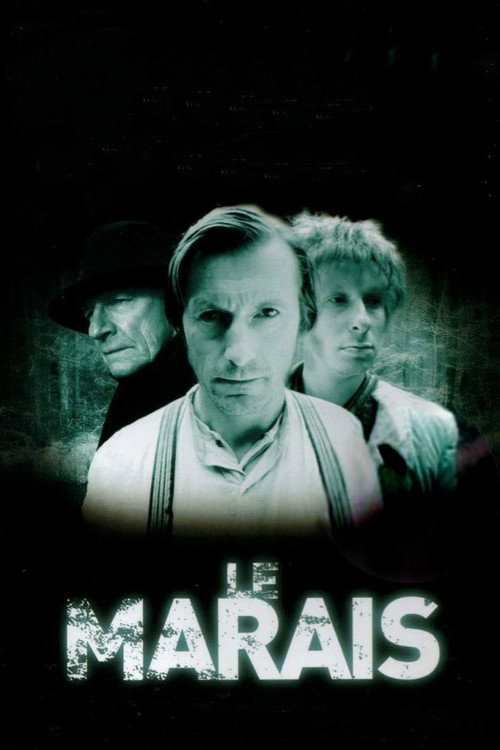
The Marsh functions as a critique of communal homogeneity, focusing on characters who exist on the fringes of 19th-century Eastern European society. By highlighting outcasts, the film disrupts expectations of social harmony to emphasize systemic hostility. The film excels in its portrayal of disability and cultural critique. It avoids using physical difference as a simple plot device, instead exploring ability to act and the irrationality of the collective. The subtextual intimacy between the leads adds emotional depth to their struggle. However, the film remains limited by its historical setting and lack of explicit identity labeling. While it effectively uses 'otherness' to drive its themes, the representation of race and gender is constrained by the period's social hierarchies.
Category Breakdown
The film showcases a deep emotional connection between Alexandre and Ulysse, though it doesn't use modern labels to define their relationship. Their bond provides a sanctuary against a judgmental society.
The story shifts focus away from traditional masculine dominance, emphasizing the vulnerability and interdependence of the male protagonists as they face survival and systemic persecution.
Set in 19th-century Eastern Europe, the film uses Alexandre’s nomadic heritage to explore displacement. The plot highlights how perceived foreignness is used to justify violence.
The film portrays the village as an oppressive force, critiquing traditional communal institutions. It presents the 'civilized' collective as an aggressor against those who deviate from societal norms.
Ulysse’s physical abnormalities are central to his identity, not just objects of pity. Despite societal views that see his differences as demonic, the film grants him significant control over his story.
Present on Screen
Limited or Absent
Official Synopsis
Two social outcasts in 19th century Eastern Europe, Alexandre and Ulysse, become friends and settle down to live alone on the edge of a marsh that is reputedly haunted by demons, monsters and goblins. These two men have been outcasts all their lives. Alexandre was raised in a nomad family that traveled from town to town, being rejected by the people of his homeland. Due to his physical abnormalities, Ulysse has always been pushed aside ever since his childhood. When a strange murder is committed in a nearby village, the peasants turn their suspicions on Alexandre and Ulysse, because they are different. In the eyes of the villagers, they are demons that must be hunted, burned and killed.
2008

1990
1989
1976

2010
2017

2013
2017
No reviews yet. Be the first to share your thoughts on this movie!
Use the rating form above to leave a star rating and optional review.