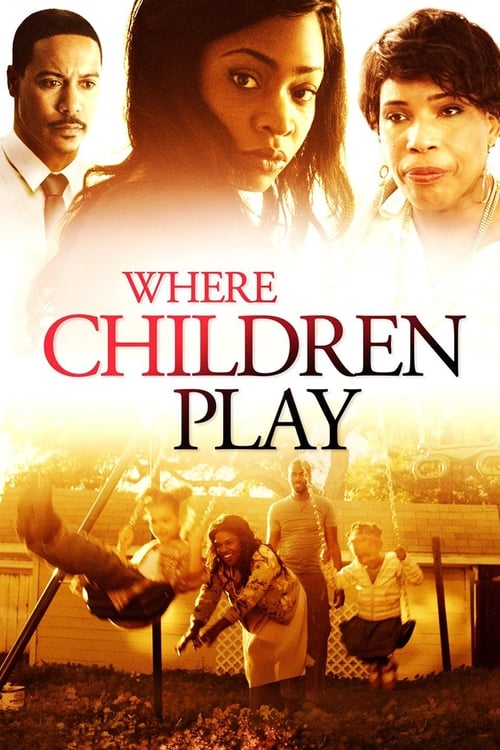
Where Children Play
2015
No user ratings available yet
Representation score: 4.5 out of 10
Representation Score
Good
2009
Director
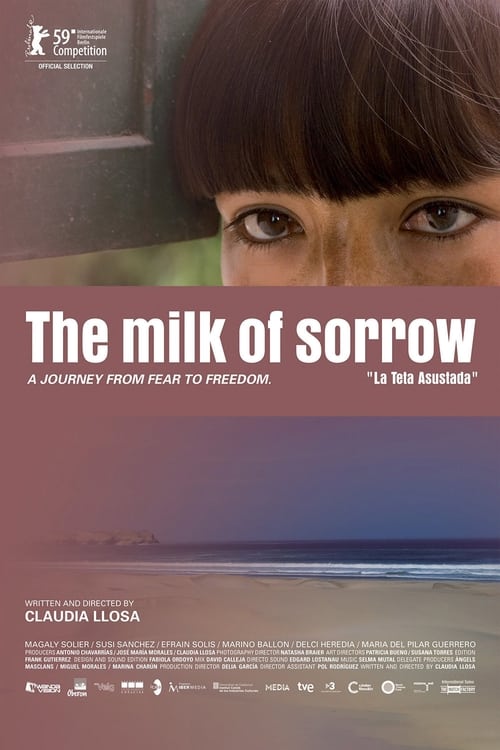
Claudia Llosa
Runtime
94 minutes
Average Rating
No ratings yetNew Showbiz Analysis
The Milk of Sorrow is a powerful exploration of intergenerational trauma, deeply rooted in an authentic Andean worldview. By centering an all-Indigenous cast, the film successfully challenges Western cinematic conventions and presents indigenous spiritualism as a legitimate reality rather than a curiosity. The film excels in its portrayal of female interiority and the complex ability to act required to break cycles of inherited trauma. It moves beyond traditional gender hierarchies to focus on the psychological burdens placed upon women by their communities. While the film lacks LGBTQ+ representation, its multi-layered approach to gender, ethnicity, and systemic violence creates a sophisticated and culturally situated narrative.
Category Breakdown
The film does not include any LGBTQ+ characters or non-straight identities. The story focuses exclusively on the trauma passed down from mother to daughter.
The narrative centers the female experience, emphasizing bodily autonomy and reproductive rights. Fausta’s journey is defined by her internal struggles rather than her relationships with men.
An all-Indigenous Andean cast provides excellent representation. The film avoids a Western perspective by presenting indigenous customs and social structures as the main reality.
The film validates indigenous spiritual practices by treating metaphysical experiences as true realities. It explores the tension between traditional beliefs and modern societal pressures.
The 'milk of sorrow' is a metaphysical condition rather than a clinical disability. However, the film treats the resulting psychological distress with significant character's ability to drive the story.
Present on Screen
Limited or Absent
Official Synopsis
Fausta is suffering from a rare disease called the Milk of Sorrow, which is transmitted through the breast milk of pregnant women who were abused or raped during or soon after pregnancy. While living in constant fear and confusion due to this disease, she must face the sudden death of her mother. She chooses to take drastic measures to not follow in her mother's footsteps.
2015

2011

2015

2022
2021
2014

2014
2023
No reviews yet. Be the first to share your thoughts on this movie!
Use the rating form above to leave a star rating and optional review.