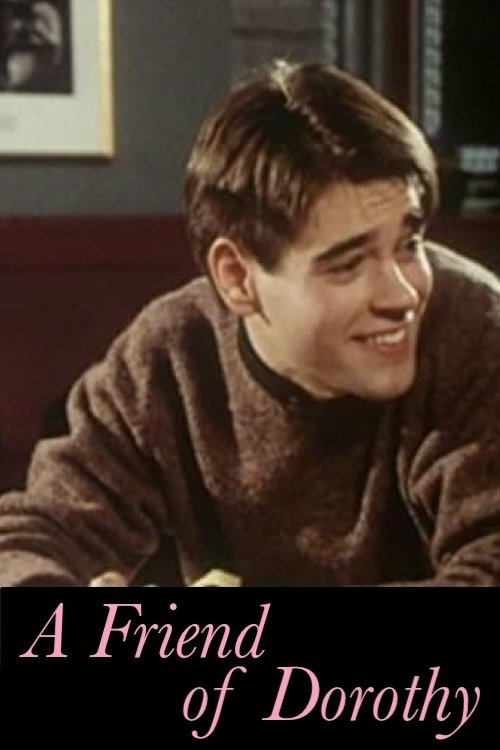
A Friend of Dorothy
1994
No user ratings available yet
Representation score: 5.5 out of 10
Representation Score
Fair
1994
NRDirector
Robert Lee King, Raoul O'Connell, Brian Sloan
Runtime
91 minutes
Average Rating
No ratings yetNew Showbiz Analysis
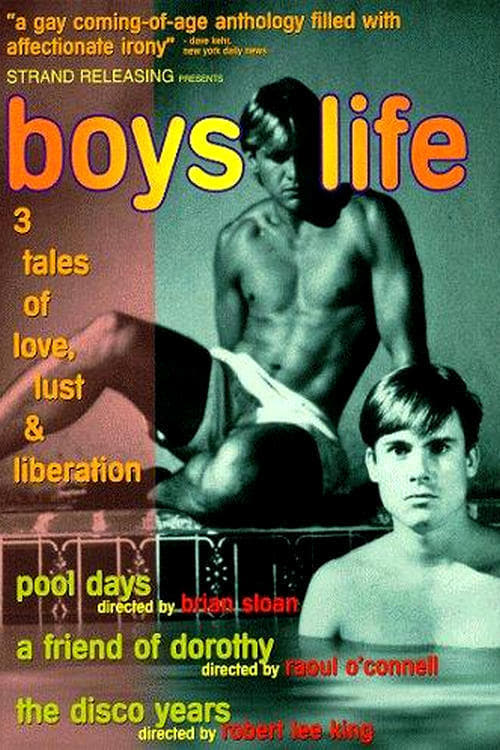
Boys Life serves as a dedicated exploration of queer identity, using an anthology format to highlight non-straight experiences. By focusing on gay protagonists during coming-of-age milestones, the film provides significant visibility for underrepresented narratives that were largely absent from 1990s mainstream cinema. However, the film's impact is limited by a narrow demographic focus. The emphasis remains heavily on male experiences, and the lack of visible racial diversity suggests a limited multi-layered perspective. While it successfully challenges certain masculine clichés, it does not extend that challenge to a broader range of gender or racial identities. Ultimately, the work is a vital piece of independent filmmaking that prioritizes LGBTQ+ visibility. It functions as a narrative tool to challenge the era's cinematic hierarchies, even if it remains focused on a specific social archetype.
Category Breakdown
The anthology focuses on queer identity as the main narrative driver. It explores various stages of life, from adolescent self-discovery to navigating urban social landscapes and dealing with homophobic rejection.
The film emphasizes male developmental arcs. While it challenges stoic masculinity through emotional vulnerability, female characters mainly support the male protagonists.
The narrative seems to prioritize sexual orientation over racial diversity. The settings focus on specific socio-geographic types without explicitly mentioning a diverse racial cast.
The film challenges social expectations by centering outsider perspectives. It critiques mainstream conformity by showing the conflict caused by homophobic social structures and traditional institutions.
There is no specific evidence regarding the portrayal of physical or neurodivergent disabilities within the film.
Present on Screen
Limited or Absent
Official Synopsis
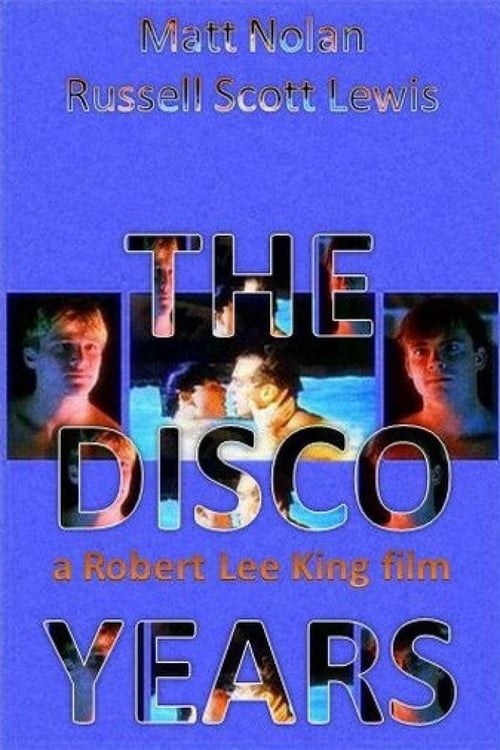
Each of the three short films in this collection presents a young gay man at the threshold of adulthood. In "Pool Days," Justin is a 17-year old Bethesda lad, hired as the evening life guard at a fitness center. In the course of the summer, he realizes and embraces that he's gay. In "A Friend of Dorothy," Winston arrives from upstate for his freshman year at NYU. He has to figure out, with some help from Anne, a hometown friend, how to build a social life as a young gay man in the city. In "The Disco Years," Tom looks back on 1978, the year in high school that he came out of the closet after one joyful and several painful encounters
1994
1970
1994
1992
2001
1999
1999

1994
No reviews yet. Be the first to share your thoughts on this movie!
Use the rating form above to leave a star rating and optional review.