
Mabel and Fatty's Wash Day
1915
No user ratings available yet
Diversity score: 1.6 out of 10

1915
NRDirector
Roscoe Arbuckle
Runtime
13 minutes
Average Rating
No ratings yetSynopsis
When Mabel catches her husband flirting with their maid, it leads to a sharp dispute. As part of making up, the couple decide to take a walk to the park. Nearby, another married couple have just had a similar domestic squabble, and they too go to the park together. But at the park, all parties involved find it difficult to avoid getting themselves into further trouble.
Overall Score
Minimal
Category Breakdown
LGBTQ+ Representation
The narrative focuses on heterosexual romantic tensions and traditional domestic disputes. There is no evidence of non-cisnormative identities or same-sex intimacy.
Gender Representation
While Mabel drives the plot through her reaction to infidelity, the film relies on standard marital friction. It operates within established 1915 social roles without subverting gender hierarchies.
Racial & Ethnic Diversity
The cast appears largely homogeneous, reflecting the era's lack of racial integration. There is no evidence of significant non-white agency within the central plot.
Religious & Cultural Diversity
The film presents a conventional depiction of middle-class domestic life. It avoids systemic critiques or the deconstruction of Western institutions, favoring situational slapstick instead.
Disability Representation
Characters are primarily used for physical humor and slapstick mishaps. There is no evidence of characters with disabilities being portrayed with agency or nuance.
Strengths
Areas for Improvement
AI Analysis
This 1915 comedy is a quintessential product of the early silent era, prioritizing slapstick-driven situational chaos over social depth. The narrative remains firmly rooted in the heteronormative and homogeneous social structures of the early 20th century. While the plot is propelled by a female protagonist's response to infidelity, the film does not challenge existing hierarchies. Instead, it reinforces traditional domestic roles and middle-class norms through a lens of physical comedy. Ultimately, the film lacks intersectional complexity. It functions as a standard comedic work that avoids engaging with diverse identities, systemic critiques, or nuanced representation of disability.
1915
1915
1915
1915
1916
1915
1915
1915
1915

1915
1915
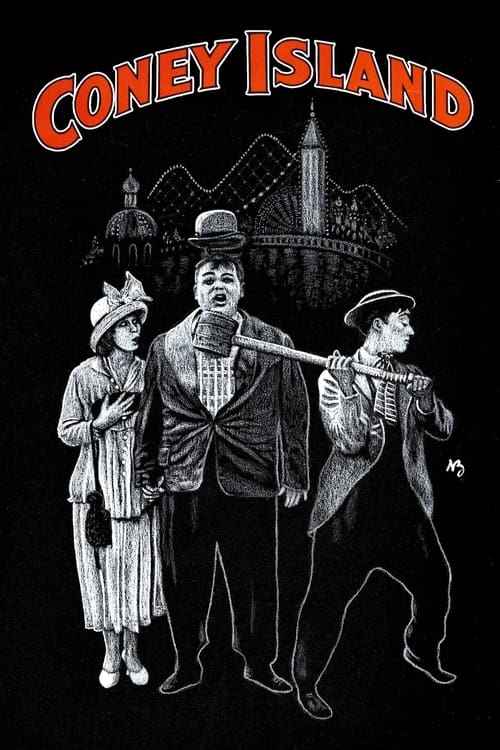
1917
No reviews yet. Be the first to share your thoughts on this movie!
Use the rating form above to leave a star rating and optional review.