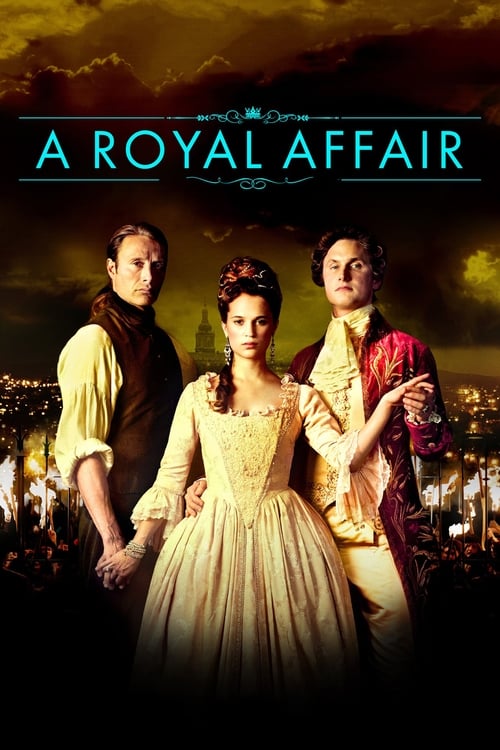
A Royal Affair
2012
No user ratings available yet
Representation score: 5.4 out of 10
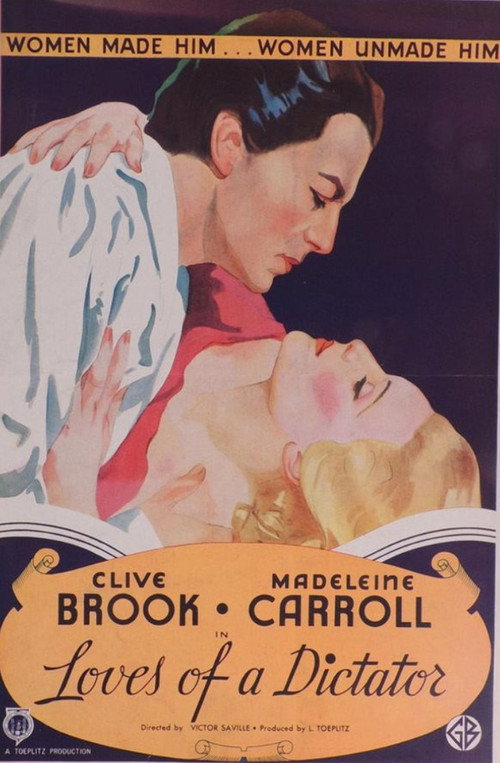
Representation Score
Limited
1935
ApprovedDirector
Victor Saville
Runtime
86 minutes
Average Rating
No ratings yetNew Showbiz Analysis
The film operates as a historical melodrama centered on the intersection of royal duty and romantic transgression. While it lacks modern diversity, it provides a nuanced look at how individual desires can destabilize established political structures. The narrative moves away from a purely celebratory depiction of monarchy. By focusing on a liberal reformer and a Queen whose actions disrupt the state, the film explores the tension between personal morality and institutional stability. Ultimately, the work is a period piece that reflects the social constraints of its era while offering a critique of absolute power.
Category Breakdown
The film focuses on a heterosexual relationship between Queen Caroline Matilda and Johann Friedrich Struensee. There are no LGBTQ+ identities or queer subtext explored.
Queen Caroline Matilda plays a significant role in driving the central conflict through her personal choices and actions. However, the film’s portrayal of masculine leadership remains ambiguous.
The film is set in 18th-century Denmark and includes English and German figures. The cast appears to be predominantly European without any racial diversity.
The narrative features a liberal reformer who challenges the absolute monarchy. This focus highlights the critique of rigid 18th-century political hierarchies and institutional power.
The film does not include any characters with visible or invisible disabilities.
Present on Screen
Limited or Absent
Official Synopsis
The film depicts a dramatic episode in Danish history: the tumultous relationship between King Christian VII of Denmark and his English consort Caroline Matilda in Eighteenth century Copenhagen and the Queen's tragic affair with the royal physician and liberal reformer Johann Friedrich Struensee.
2012
1934

1956
1969
1939

1934
2009
1994
No reviews yet. Be the first to share your thoughts on this movie!
Use the rating form above to leave a star rating and optional review.