
The Daredevil Drivers
1938
No user ratings available yet
Representation score: 0.4 out of 10
Representation Score
Minimal
1935
PassedDirector
Lambert Hillyer
Runtime
53 minutes
Average Rating
No ratings yetNew Showbiz Analysis
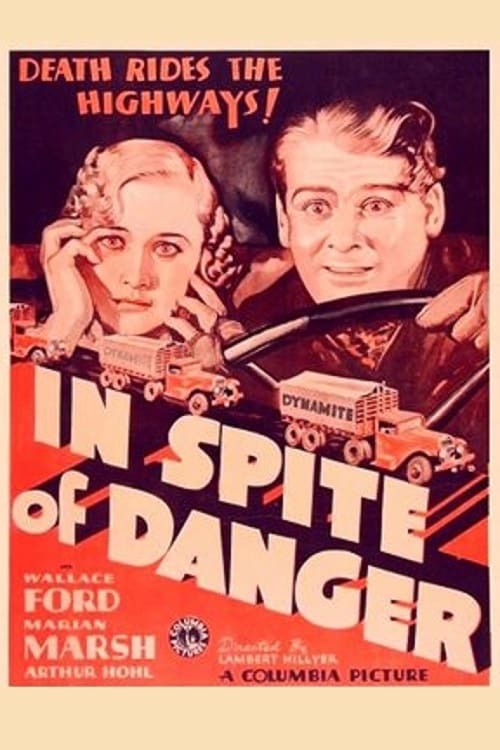
In Spite of Danger is a product of its era, reinforcing the social hierarchies and gendered norms prevalent in 1930s American cinema. The narrative relies on conventional formulas rather than intentional subversion. The story centers on male professional struggles and traditional romantic structures. While the female lead provides support, the film remains anchored in a straight-centered and Anglo-centric worldview. Ultimately, the film functions as a standard genre piece. It prioritizes individual perseverance and vocational stability over any meaningful representation of diverse identities or lived experiences.
Category Breakdown
The film follows a strictly straight-centered framework. The romantic arc focuses entirely on the traditional courtship and marriage between Bill Crane and Sally Sullivan.
Sally Sullivan helps Bill find work, showing she plays a significant role in driving the story. However, her role remains tied to the domestic sphere. The story centers on male physical competence and professional struggles.
The film appears to utilize standard period-specific clichés. The setting suggests potential settler-indigenous conflict, which historically relied on antagonistic depictions of Native Americans.
The narrative emphasizes traditional 1930s values like individual resilience and the sanctity of marriage. It functions as a standard morality tale within a traditional social structure.
A racing accident serves as a plot catalyst to transition the protagonist's career. The film lacks a nuanced exploration of lived experience or disability-driven ability to act.
Present on Screen
Limited or Absent
Official Synopsis
Bill Crane, race-car driver has an accident while racing and finds himself unable to return to the fast-paced racetrack. Looking for another occupation he meets a girl, Sally Sullivan, who runs a roadside lunch-wagon and she helps him get a job as a truck driver. They fall in love and get married. He gets a contract to haul a load of dynamite and, when coming down a steep mountain, he finds his truck's brakes have been sabotaged, just as were the brakes on his race-car.
1938
1937
1943
1935
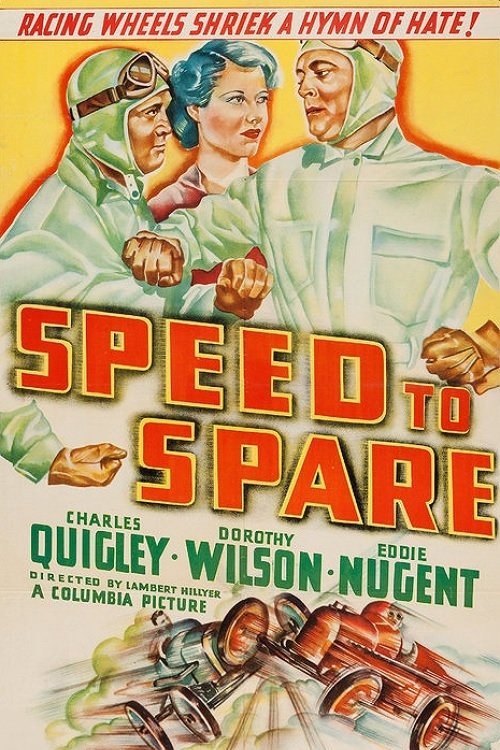
1937
1925
1925
1929
No reviews yet. Be the first to share your thoughts on this movie!
Use the rating form above to leave a star rating and optional review.