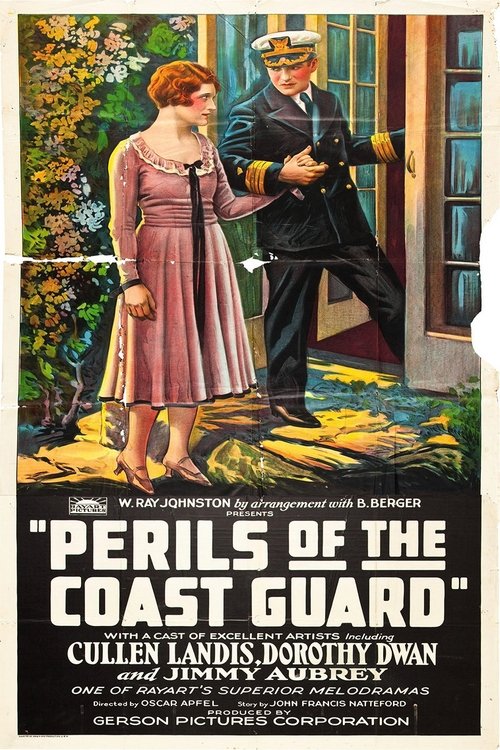
Perils of the Coast Guard
1926
No user ratings available yet
Representation score: 1.0 out of 10
Representation Score
Minimal
1925
PassedDirector
Albert S. Rogell
Runtime
50 minutes
Average Rating
No ratings yetNew Showbiz Analysis
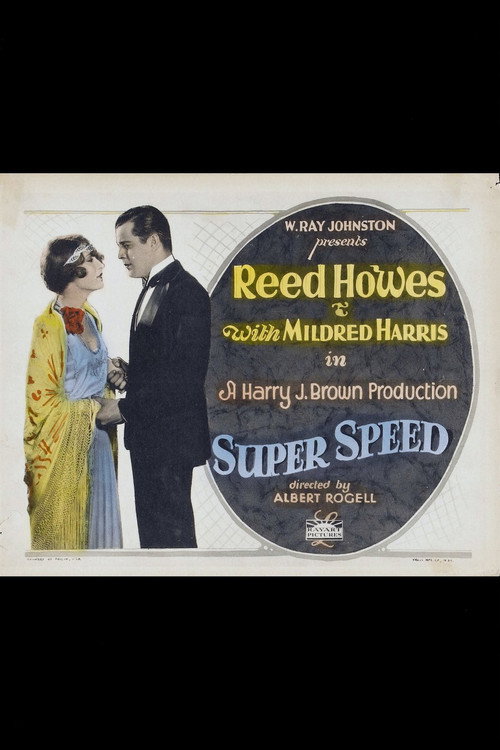
Super Speed is a typical 1920s action-romance that follows the genre conventions of its time. The plot follows a predictable class-based trajectory, using the 'working man' cliché to facilitate a romantic connection between a wealthy man and a corporate heiress. The film upholds the social and demographic norms of its era, prioritizing industrial settings and traditional courtship over any meaningful social commentary or critique of the status quo. Ultimately, the film operates within established cinematic frameworks, offering a narrative that reinforces rather than challenges the norms of the mid-1920s.
Category Breakdown
The film centers on a traditional heterosexual relationship between Pat O'Farrell and Claire Knight. There are no characters with non-conforming gender identities or critiques of the assumption that everyone is straight.
Gender roles adhere to early 20th-century norms. The male protagonist drives the action through his work and pursuit, while the female lead is defined by her family's corporate status.
The narrative lacks descriptions of diverse characters. It likely reflects the homogeneous casting standards of 1925, with no indication of non-Anglo-Saxon characters having significant influence.
The story emphasizes Western values and the romantic ideal of industrial progress. It centers on capitalism and individual romantic success within established social structures.
There are no characters with visible or invisible disabilities in the narrative.
Present on Screen
Limited or Absent
Official Synopsis
Pat O'Farrell, a rich young man, takes a job as a truck-driver for his uncle's milk company, and falls in love with Cliare Knight, daughter of the Knight Car Company.
1926

1928
1926

1931

1925

1938
1935

1935
No reviews yet. Be the first to share your thoughts on this movie!
Use the rating form above to leave a star rating and optional review.