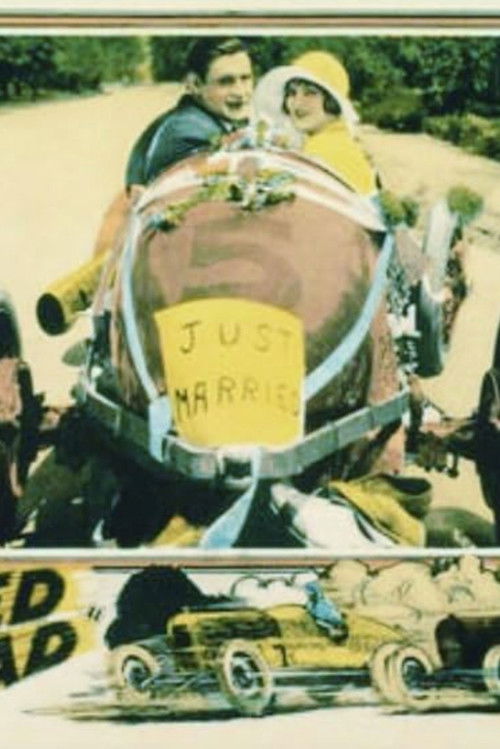
Speed Mad
1925
No user ratings available yet
Representation score: 1.1 out of 10
Representation Score
Limited
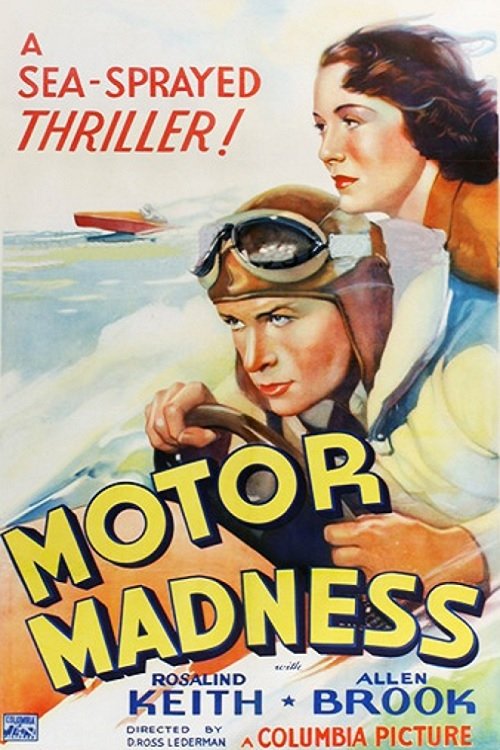
1937
ApprovedDirector
D. Ross Lederman
Runtime
61 minutes
Average Rating
No ratings yetNew Showbiz Analysis
Motor Madness is a quintessential 1930s B-movie that adheres strictly to the studio system's conventional dramatic structures. The plot centers on a moral conflict between individual integrity and external corruption, using standard clichés of the era. The film reinforces traditional social hierarchies. Gender roles are clearly defined, with the male lead driving the action and the female lead serving as a catalyst for his emotional journey through a 'damsel in distress' framework. Ultimately, the film offers little in the way of multi-layered representation. It functions as a period piece that prioritizes conventional heroism and standard moral binaries over any meaningful subversion of social norms.
Category Breakdown
The film focuses on a traditional romantic relationship between Joe Dunn and Peggy McNeil. There is no indication of characters with non-traditional gender identities or narratives that challenge the assumption that everyone is straight or cisgender.
The story follows traditional gender roles. The male protagonist drives the main conflict, while the female character's role is defined by her injury and her need for rescue.
Set in 1937 Santa Monica, the film likely reflects the homogeneous demographic standards of the time. It appears to prioritize Anglo-centric narratives without evidence of a diverse cast.
The plot explores a struggle against corruption through individual effort and professional expertise. It does not critique Western institutions or prioritize anti-establishment frameworks.
Peggy McNeil’s injury serves as a primary plot engine. This uses disability as a narrative device to facilitate the male lead's arc rather than providing nuanced character development.
Present on Screen
Limited or Absent
Official Synopsis
After winning a qualifying trial for a big speed-boat race in Santa Monica, California, Joe Dunn is offered a bribe, by gamblers, not to take part in the race and is so incensed that he starts a fight which lands him in jail. The girl he loves, Peggy McNeil, takes his place, but crashes into a buoy and is seriously injured---and Joe goes to desperate lengths to raise money for the services of a famous surgeon.
1925

1939
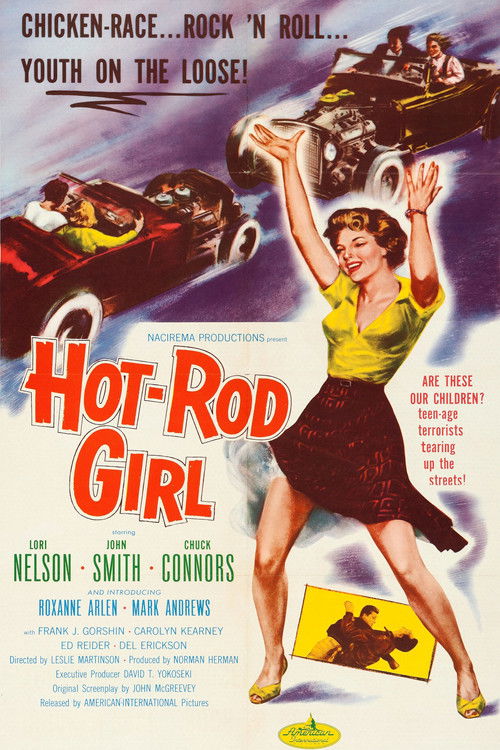
1956
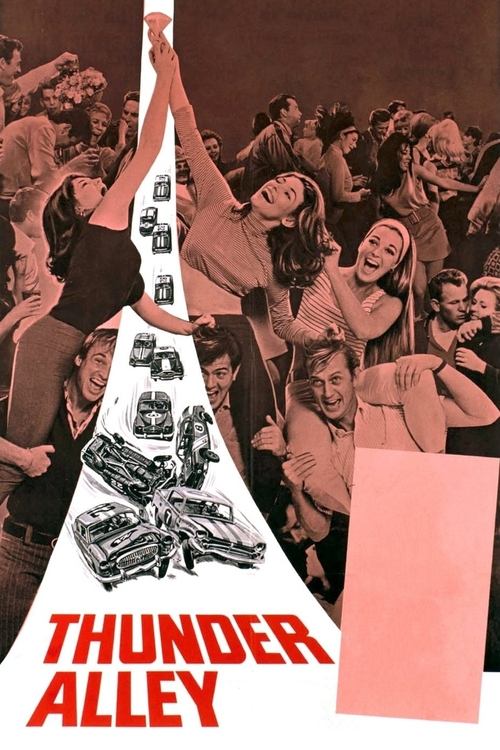
1967
1936
1936
1932
1949
No reviews yet. Be the first to share your thoughts on this movie!
Use the rating form above to leave a star rating and optional review.