You're a Sap, Mr. Jap
1942
No user ratings available yet
Representation score: 0.2 out of 10
Representation Score
Limited
1934
Director
Takao Nakano
Runtime
8 minutes
Average Rating
No ratings yetNew Showbiz Analysis
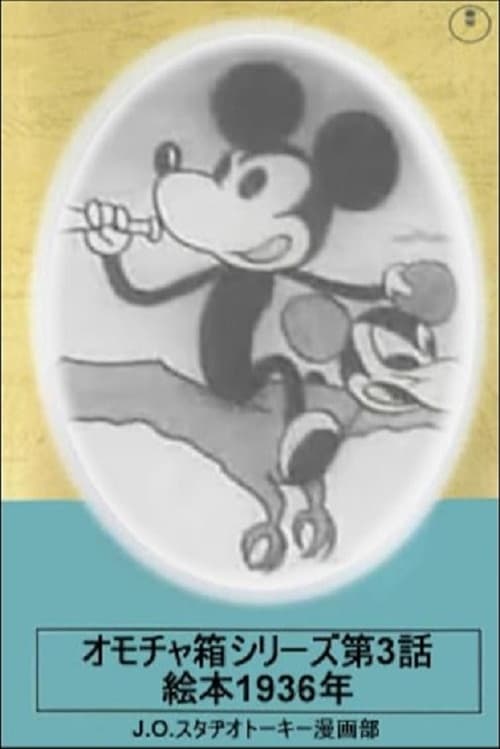
The film operates as a symbolic, folkloric allegory rather than a character-driven drama. Its primary strength lies in its cultural critique, using animation to challenge Western hegemony by casting a Western icon as an antagonist. However, the work lacks multi-layered complexity. The reliance on traditional archetypes and the absence of diverse character identities prevent a more progressive score. Ultimately, while the film offers a meaningful critique of imperialism through symbolism, it provides very little in the way of specific demographic or identity-based representation.
Category Breakdown
The film does not include any LGBTQ+ characters or non-cisgender identities. The story revolves around a conflict between islanders and an invading entity.
The story relies on traditional mythological archetypes, particularly emphasizing masculine leadership. The hero Momotaro suggests a reliance on established gender roles to resolve the central conflict.
The film uses a metaphorical framework to pit peaceful citizens against a Western-coded invading force. This serves as a symbolic critique of external cultural or imperial imposition.
The narrative challenges Western cultural dominance by positioning a Mickey Mouse-like icon as a destructive force. It utilizes the Japanese folk hero Momotaro to defend a localized community.
There is no depiction of physical, sensory, or neurodivergent characters. The focus remains on the broader struggle between the islanders and the invading rodent.
Present on Screen
Limited or Absent
Official Synopsis
Peaceful citizens (one of whom resembles Felix the Cat) are dancing to music before their island is being invaded by a gigantic rodent that resembles Mickey Mouse. The islanders contact legendary folk-hero Momotaro from a giant book to battle Mickey.
1942

1939
1944
1942

2016
1943
1941
1931
No reviews yet. Be the first to share your thoughts on this movie!
Use the rating form above to leave a star rating and optional review.