
V for Victory
1941
No user ratings available yet
Representation score: 0.0 out of 10
Representation Score
Limited
1941
Director
Ivan Ivanov-Vano, Aleksandr V. Ivanov
Runtime
3 minutes
Average Rating
No ratings yetNew Showbiz Analysis
This 1941 animation serves as a tool for wartime mobilization rather than a medium for exploring diverse identities. It uses a binary struggle to unify the nation against fascism. While it excels at promoting a singular cultural narrative, it lacks nuanced representation of underrepresented groups.
Category Breakdown
The film follows traditional social structures typical of its time and does not include any representation of non-binary genders or sexual orientations. It focuses on reinforcing conventional gender roles and relationships.
Women are likely portrayed as strong and resilient, while men are shown as protectors and defenders of the collective. Gender roles are defined by wartime archetypes, emphasizing traditional gendered responsibilities.
The film centers on a unified Soviet identity to promote national unity, with a focus on a singular identity rather than highlighting internal ethnic diversity.
The movie aligns closely with anti-fascist and collectivist ideologies, presenting a struggle between oppressors and the oppressed. It frames the conflict as a defense of the state against an external threat.
There is no indication of neurodivergent or physically disabled characters. Characters are likely portrayed as physically fit to support the state's mobilization goals.
Present on Screen
Limited or Absent
Official Synopsis
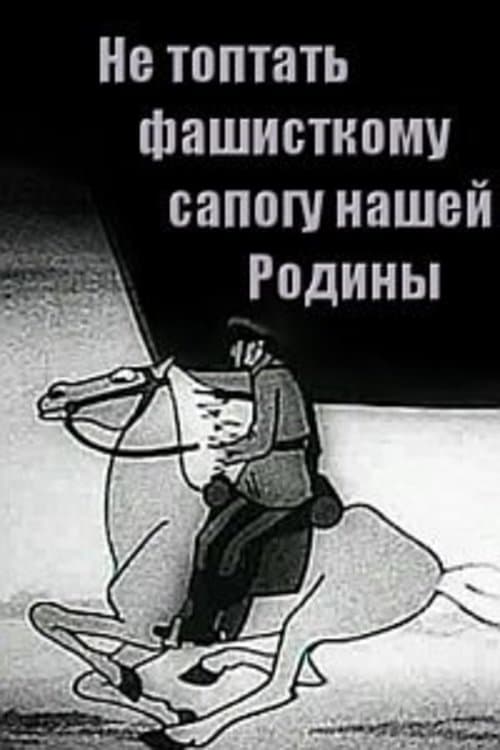
Soviet propaganda cartoon made shortly after the German invasion, promising victory against the fascist invaders.
1941

1942
1942

1972

1944
1944
1943
1942
No reviews yet. Be the first to share your thoughts on this movie!
Use the rating form above to leave a star rating and optional review.