The Larks' Moving Day
1933
No user ratings available yet
Representation score: 1.7 out of 10

Representation Score
Limited
1931
Director
Yasuji Murata
Runtime
10 minutes
Average Rating
No ratings yetNew Showbiz Analysis
Momotaro's Sky Adventure is a foundational piece of Japanese animation history that prioritizes cultural preservation over modern diversity. The film adheres to the storytelling norms of the early 1930s, focusing on established folklore rather than social subversion. While the film lacks diversity by contemporary standards, it represents a significant departure from the Western-centric animation of its time. It functions as a vital expression of Japanese identity through its use of traditional legends. Ultimately, the work is a historical artifact. Its adherence to period-specific clichés and traditional gender norms results in low scores for modern progressive metrics, though it remains a landmark of early East Asian animation.
Category Breakdown
The film does not include any LGBTQ+ characters or non-straight identities. It follows traditional folklore structures from the 1930s era.
The narrative roles rely on anthropomorphic animals that may reinforce conventional social hierarchies. There is no indication of challenging traditional gendered power dynamics.
The film emphasizes a domestic Japanese cultural identity rather than modern multiculturalism. It prioritizes a specific ethnic perspective rooted in local folklore.
As an adaptation of the Momotaro legend, the film serves to preserve national cultural heritage. It functions within a traditional framework of established myths.
There is no documented evidence of characters with visible or invisible disabilities within the narrative.
Present on Screen
Limited or Absent
Official Synopsis
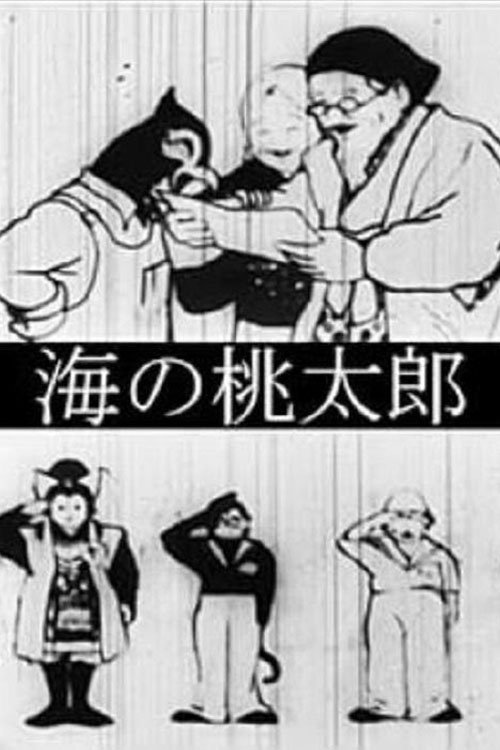
Very early animated short from Japan featuring a cast of anthropomorphic animals.
1933

1932
1932
1935
1936

1927
1930

1931
No reviews yet. Be the first to share your thoughts on this movie!
Use the rating form above to leave a star rating and optional review.