Gas
1944
No user ratings available yet
Representation score: 0.3 out of 10
Representation Score
Minimal
1942
ApprovedDirector
George Pal
Runtime
7 minutes
Average Rating
No ratings yetNew Showbiz Analysis
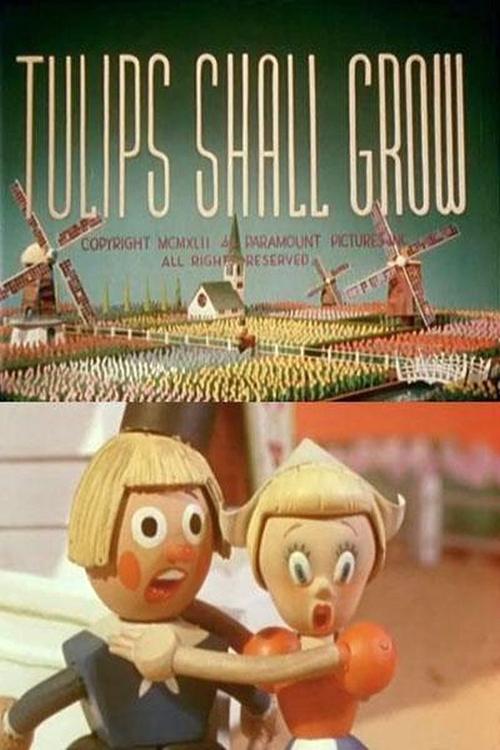
Tulips Shall Grow is a technical masterpiece in stop-motion animation that prioritizes visual artistry over social commentary. While the film is historically significant, it remains rooted in the conventions of its era, using traditional narrative structures and a homogeneous demographic. The story revolves around a young Dutch couple facing mechanical invaders, reinforcing mid-century romantic and social norms. It lacks engagement with diverse identities and fails to challenge established social hierarchies. Ultimately, Tulips Shall Grow serves as a wartime melodrama, offering a glimpse into 1940s storytelling but falling short in modern diversity and representation.
Category Breakdown
The film follows traditional romantic conventions of the 1940s. It does not depict any non-binary gender identities or same-sex relationships.
The female lead plays a central role in the emotional and romantic storyline. However, the narrative largely upholds traditional gender roles of the time.
Most characters are white and European, reflecting the historical context and production standards of 1942 Hollywood.
The story emphasizes preserving traditional family life against mechanical invaders. It adheres to conventional moral frameworks without exploring secular themes.
The film does not include any characters with physical disabilities or neurodivergent conditions. It focuses on broader conflicts rather than individual disability stories.
Present on Screen
Limited or Absent
Official Synopsis
In this Puppetoon animated short film (an Academy Award Best Short Subject, Cartoons nominee), a young Dutch couple find their idyllic countryside being overrun by unfeeling, unthinking mechanical men and machines that lay waste to everything in their path. In 1997 this film, deemed "culturally, historically, or aesthetically significant," was selected for preservation in the United States National Film Registry.
1944
1986

1942
1939

1941
1943

1944

1941
No reviews yet. Be the first to share your thoughts on this movie!
Use the rating form above to leave a star rating and optional review.