The Spirit of '43
1943
No user ratings available yet
Diversity score: 1.0 out of 10
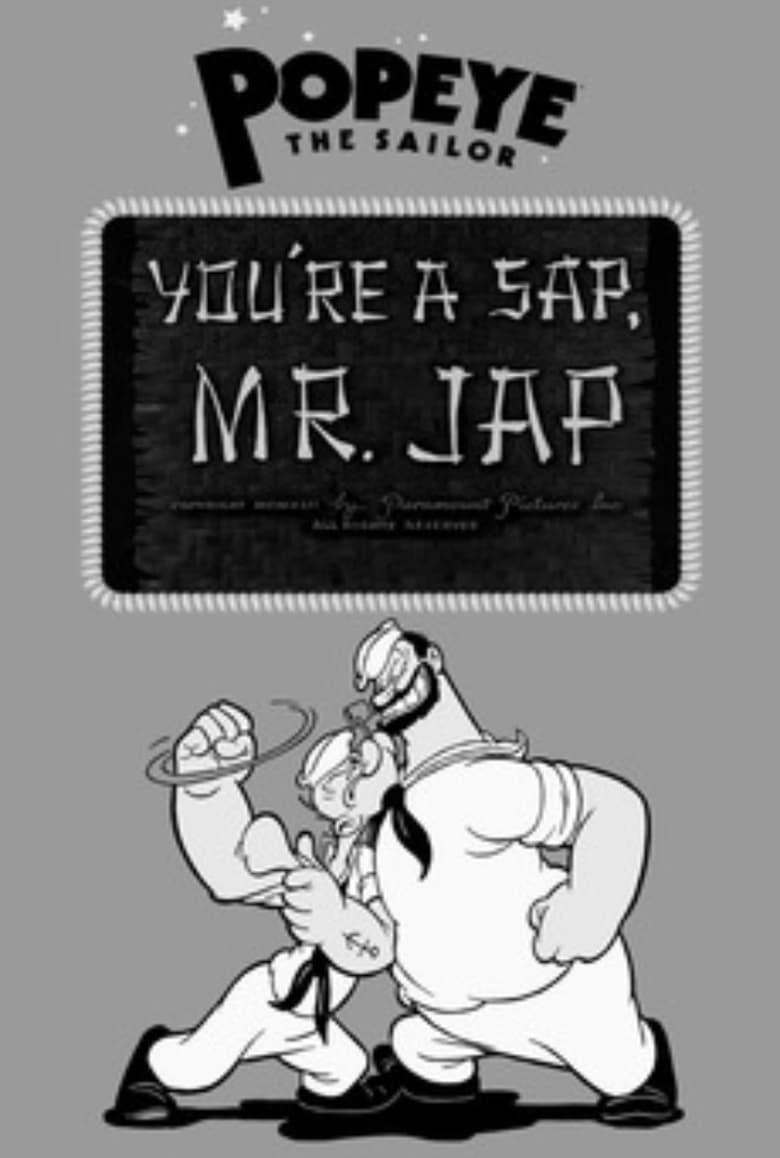
1942
Director
Dan Gordon
Runtime
7 minutes
Average Rating
No ratings yetSynopsis
Popeye takes on the Japanese Navy single-handedly.
Overall Score
Minimal
Category Breakdown
LGBTQ+ Representation
The film contains no discernible LGBTQ+ characters or narratives. Character dynamics center strictly on traditional masculine archetypes of combat and physical dominance.
Gender Representation
The narrative relies heavily on traditional masculine leadership and physical prowess. Popeye is the primary agent of action, while female agency is entirely absent.
Racial & Ethnic Diversity
The film utilizes racialized caricatures to define the adversary. It employs broad, reductive tropes to dehumanize the antagonist through character design and casting.
Religious & Cultural Diversity
The film promotes a singular, uncritical view of Western military intervention. It reinforces national identity through a lens of absolute moral certainty.
Disability Representation
There is no meaningful representation of disability. The protagonist's use of spinach serves as a trope of temporary empowerment rather than exploring physical disability.
Strengths
Areas for Improvement
AI Analysis
Produced during the height of World War II, this animated short functions as wartime propaganda designed to bolster domestic morale. The narrative architecture prioritizes nationalistic fervor and a polarized view of heroism and villainy over character depth. The film reinforces mid-century geopolitical hierarchies by using reductive racial tropes to simplify the conflict. This approach dehumanizes the opposing forces to facilitate a binary 'us versus them' perspective. Ultimately, the work lacks intersectional depth. It relies on hyper-masculine ideals and singular nationalistic goals, offering no engagement with moral relativism or diverse social perspectives.
1943
1943
1943
1942
1939
1944
1943

1943
1944
1944
1943
1942
No reviews yet. Be the first to share your thoughts on this movie!
Use the rating form above to leave a star rating and optional review.